
Advancing growth and excellence in Hungarian higher education
Building on its strong performance in the THE World University Rankings 2026, Hungary’s higher education sector is charting a course towards becoming a hub for world-class talent


The profile of higher education in Hungary has rocketed in recent years. In the 2026 Times Higher Education World University Rankings, universities in Hungary achieved their best-ever performance. The number of Hungarian institutions in the 2026 edition was 12, doubling its representation in the World University Rankings from six universities in 2016.
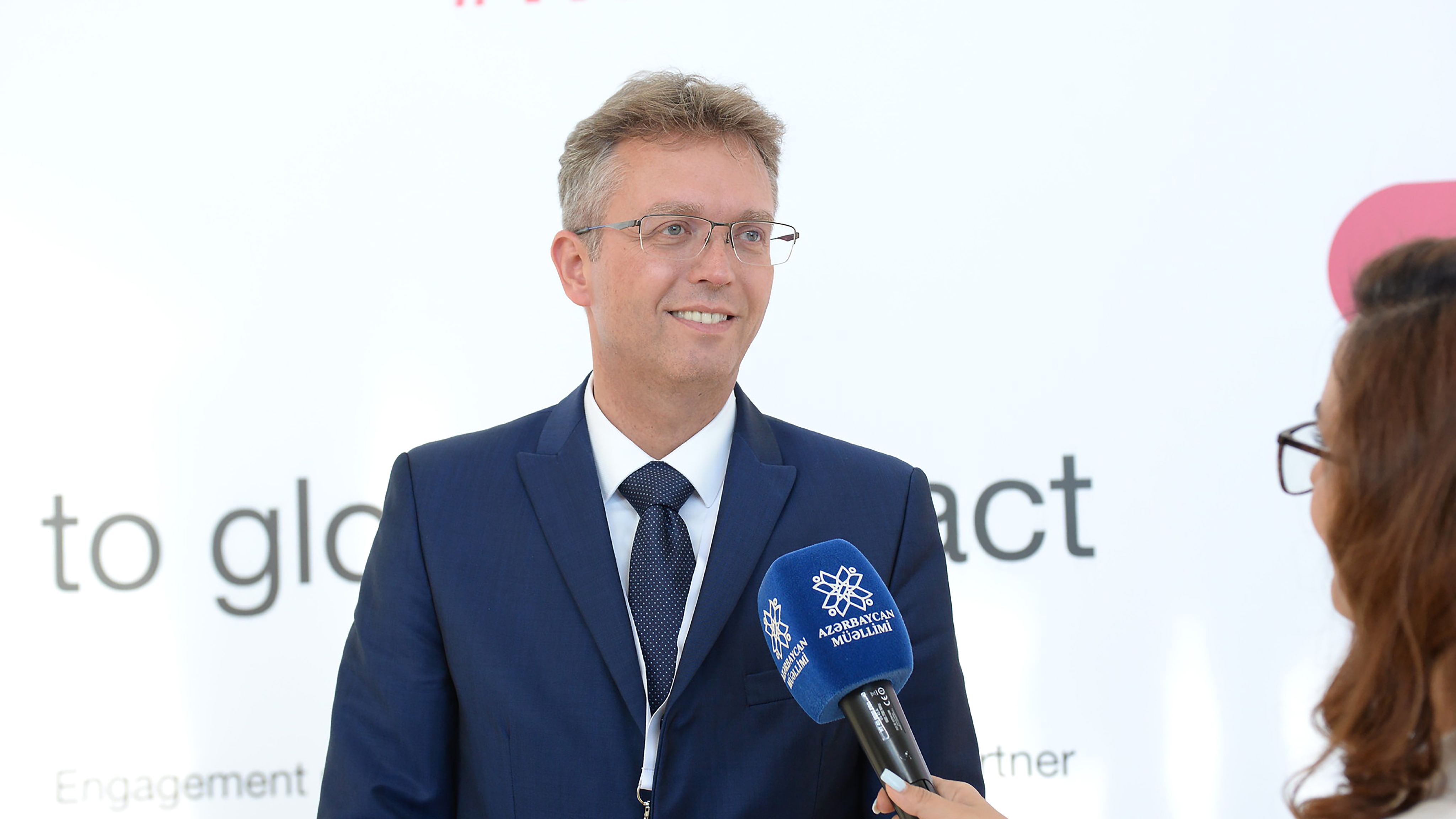
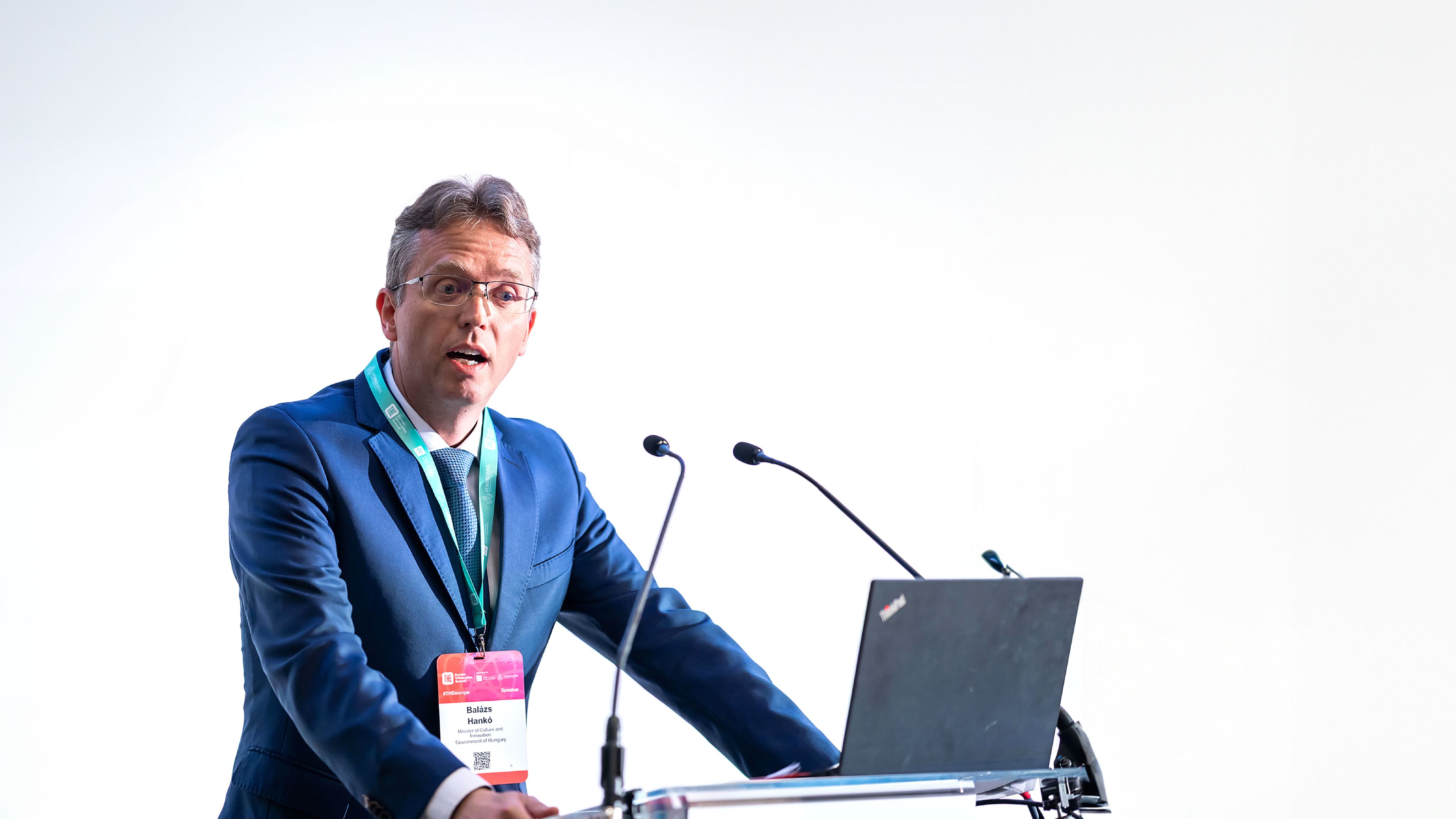
These improvements reflect efforts by the Hungarian government to strengthen, advance and promote the country’s higher education sector internationally. In an interview at the 2025 THE Eurasia Universities Summit, Balázs Hankó, Hungary’s minister for culture and innovation, said that higher education in Hungary is on a trajectory of growth.
Balázs Hankó, Hungary’s minister for culture and innovation, in conversation with Times Higher Education at the THE Eurasia Universities Summit 2025.
A network of award-winning scholars
Minister Hankó spoke about the notable achievements of Hungarian universities, the role of government scholarship initiatives in improving student mobility and knowledge exchange, and how the Ministry of Culture and Innovation supports universities in achieving success.
He noted that his alma mater, Semmelweis University, rose up within the 251-300 band – an impressive achievement amid intensifying global competition. Obuda University also improved its position within the 601-800 band. Pázmány Péter Catholic University met the THE’s rigorous academic thresholds and academic standards to make its debut in the World Academic Rankings, boding well for the future.



Hungary’s innovation and research potential is also impressive relative to its size. This is evident in Hungary’s achievements in international competitions and accolades such as the Olympic Games, the Nobel Prize and the International Mathematical Olympiad. In 2023, two Nobel prize winners were from the country: Ferenc Krausz was awarded for his work in attosecond science, and Katalin Karikó for her research on nucleoside base modifications, which enabled the development of mRNA vaccines against Covid-19. Hungarian doctor and biomedical researcher, Botond Roska, received the prestigious Wolf Prize in Medicine in 2024.
The Government of Hungary has established a programme where its top researchers work together to build and recruit the best talent in natural sciences. Under the leadership of Krausz, the Forefront programme will attract high-quality researchers from around the world to promote scientific excellence and innovation.
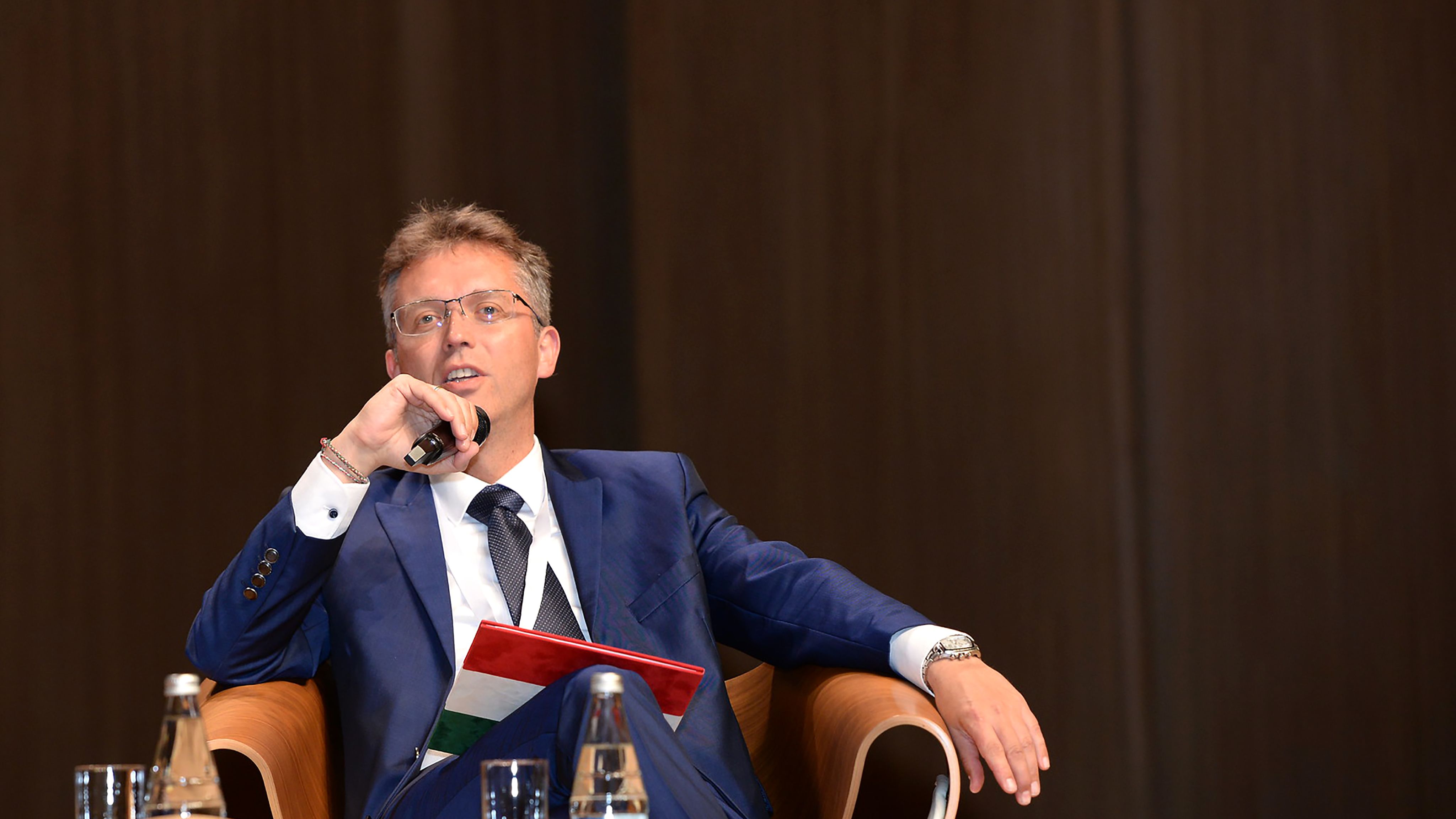
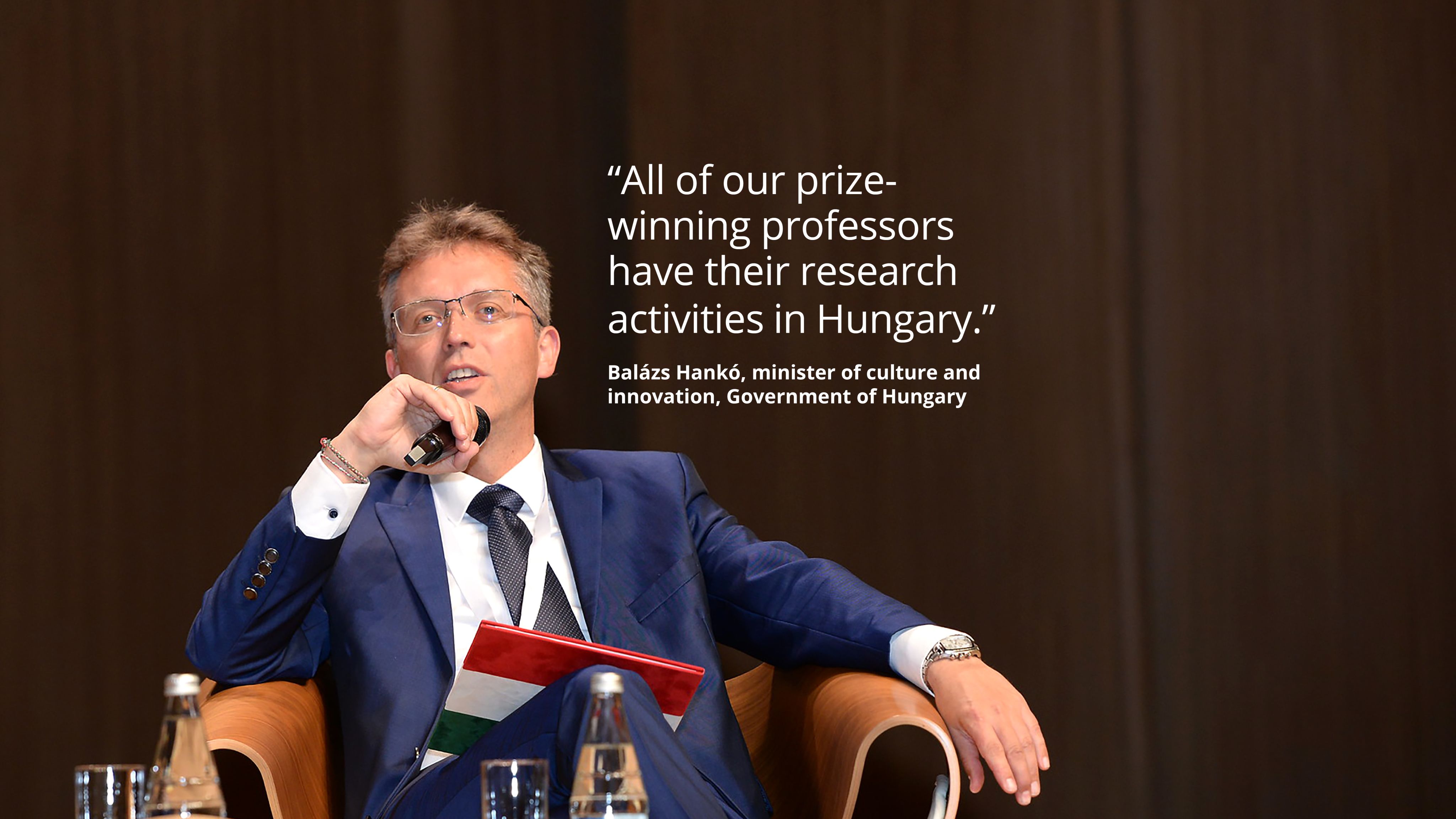
“All of our prize-winning professors have their research activities in Hungary, which is why this is important,” said Minister Hankó. “I say this not just as a minister but as a father of four, with two of my children in Hungarian universities.”


Prioritising outcomes
Hungarian universities have increased their internationally published research output by 50 per cent and there is a target to increase international student intake by a fifth. Research income is crucial to Hungary’s economy, growing by 68 per cent in the last year, while patent applications are up by 35 per cent.
In recent years, Hungary has made significant changes to the ownership and governance of higher education institutions, shifting to public interest trust foundations. This is a performance-based model, said Minister Hankó. Its vocational education model makes it possible to truly integrate vocational and higher education models, particularly in fields such as science, technology, engineering and maths.
“The new structure is flexible and outcome oriented. Every second euro is linked to an outcome in our financing system,” added Minister Hankó. The shift to public trust ownership combines flexibility and autonomy, he explained. Under this model, universities have a 25-year strategic agreement and a six-year financial agreement with the government. “The basic principles are the same, such as research excellence, educational excellence, talent management and inclusivity. But each university will have its own focus,” he said.


Pannónia Scholarship Programme
International student mobility is a priority for Hungarian universities, and the government aims to support global knowledge transfer. The Pannónia Scholarship Programme offers short and long-term mobility opportunities for Hungarian students and staff to study, research, teach and undertake training in any country.
Under this programme, Hungarian institutions can establish meaningful partnerships with other universities and their legal entities through bilateral agreements. The universities now have 4,045 agreements with international institutions.
In its first year, Pannónia sent 181 students to the US, 119 to the UK and 118 to Japan. Altogether, more than 8,000 students have had access to partner institutions since the programme’s introduction in 2024.
Stipendium Hungaricum
The Stipendium Hungaricum is a scholarship that enables international students to pursue higher education in Hungary with full financial support. Recipients can obtain a degree while also gaining a unique international experience. An increasing number of programmes are available in English across various fields.
These graduates will return to their home countries with valuable skills and knowledge, and act as global ambassadors for Hungary. So far, around 12,000 students from around the world have participated in this programme.


Paving the way for progress
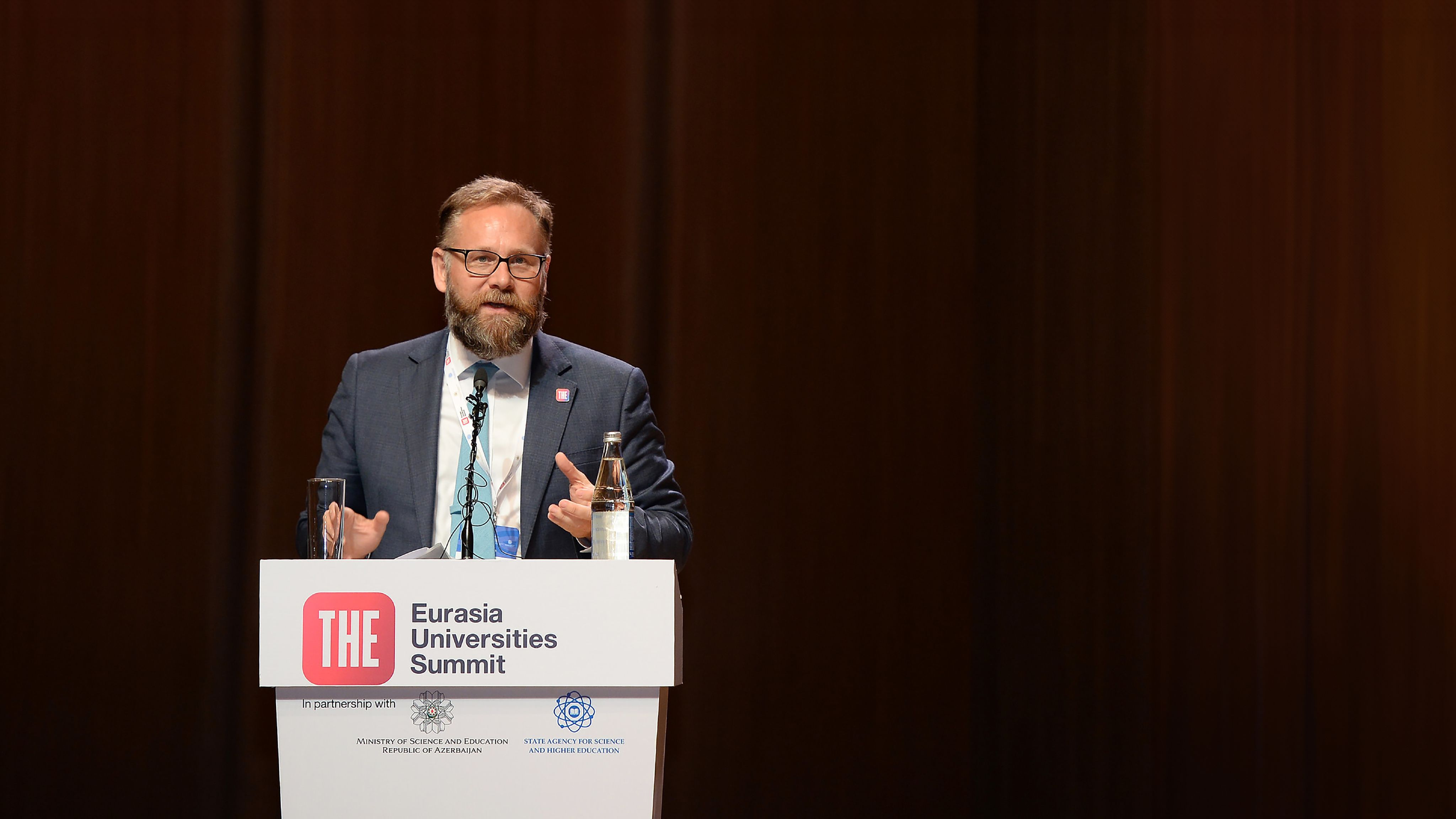
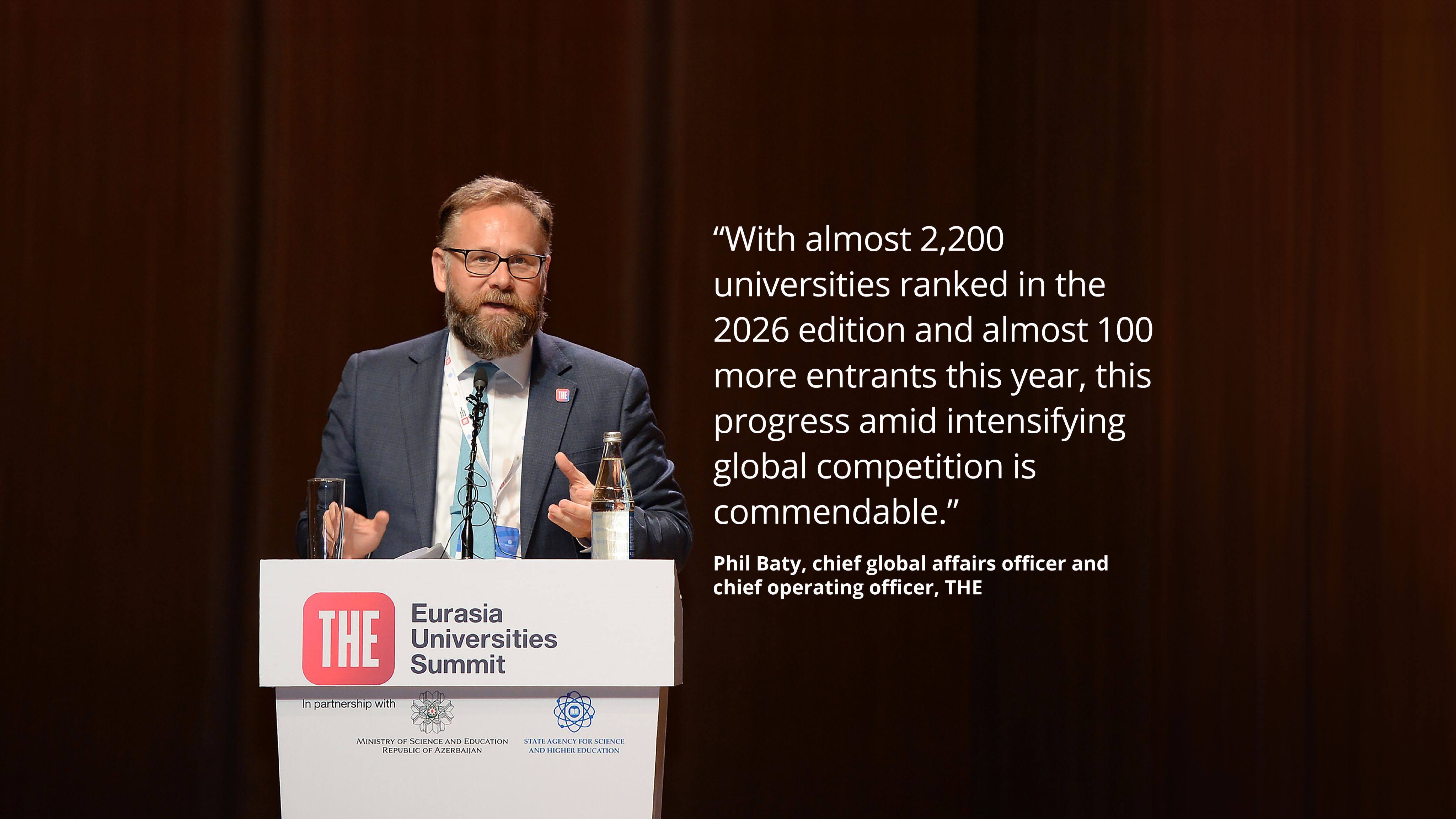
In a press release dated October 2025, Phil Baty, chief global affairs officer and chief operating officer at THE, noted that Hungary had improved its representation and average ranking score in the 2026 THE World University Rankings, achieving key milestones that reflected success on the world stage. “With almost 2,200 universities ranked in the 2026 edition and almost 100 more entrants this year, this progress amid intensifying global competition is commendable,” said Baty.
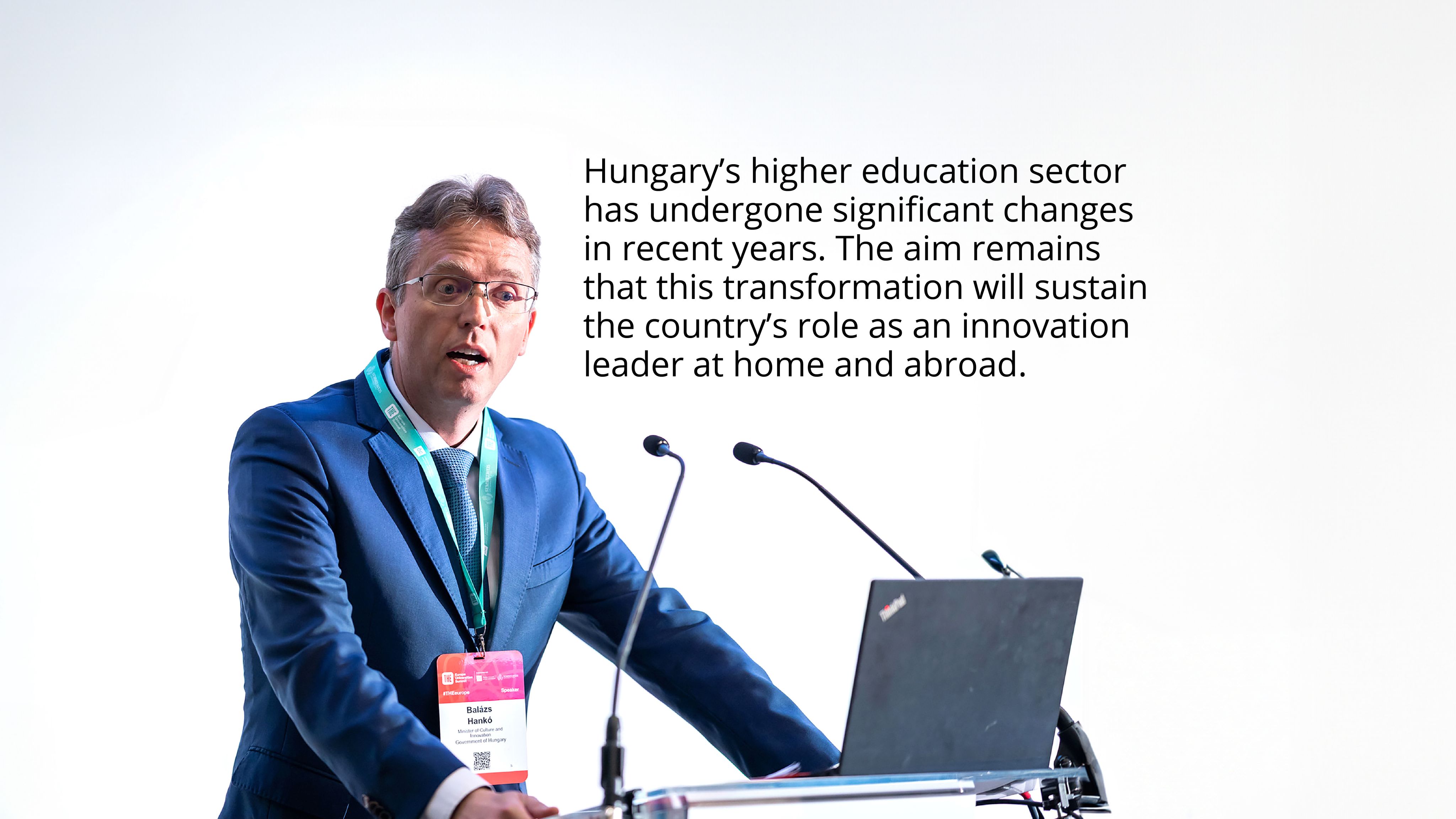
Hungary’s higher education sector has undergone significant changes in recent years. The aim remains that this transformation will sustain the country’s role as an innovation leader at home and abroad. Minister Hankó is proud of the country’s progress and is optimistic that it can achieve its goals: “We want to be first – that’s our ambition.”
Find out more about research and higher education in Hungary.
 Built with Shorthand