
THE Connect podcast: Setting new standards in industry-education integration
Shenyang Institute of Technology has established a mutually beneficial partnership with Huawei, where students blend theory and practice to develop career-ready skills


It has never been more important to ensure that students are career-ready when they graduate from university. One way that universities can equip new starters with the appropriate skills and knowledge is through partnerships with global ICT leaders, as is the case with Shenyang Institute of Technology (SIT) and its collaboration with Huawei.
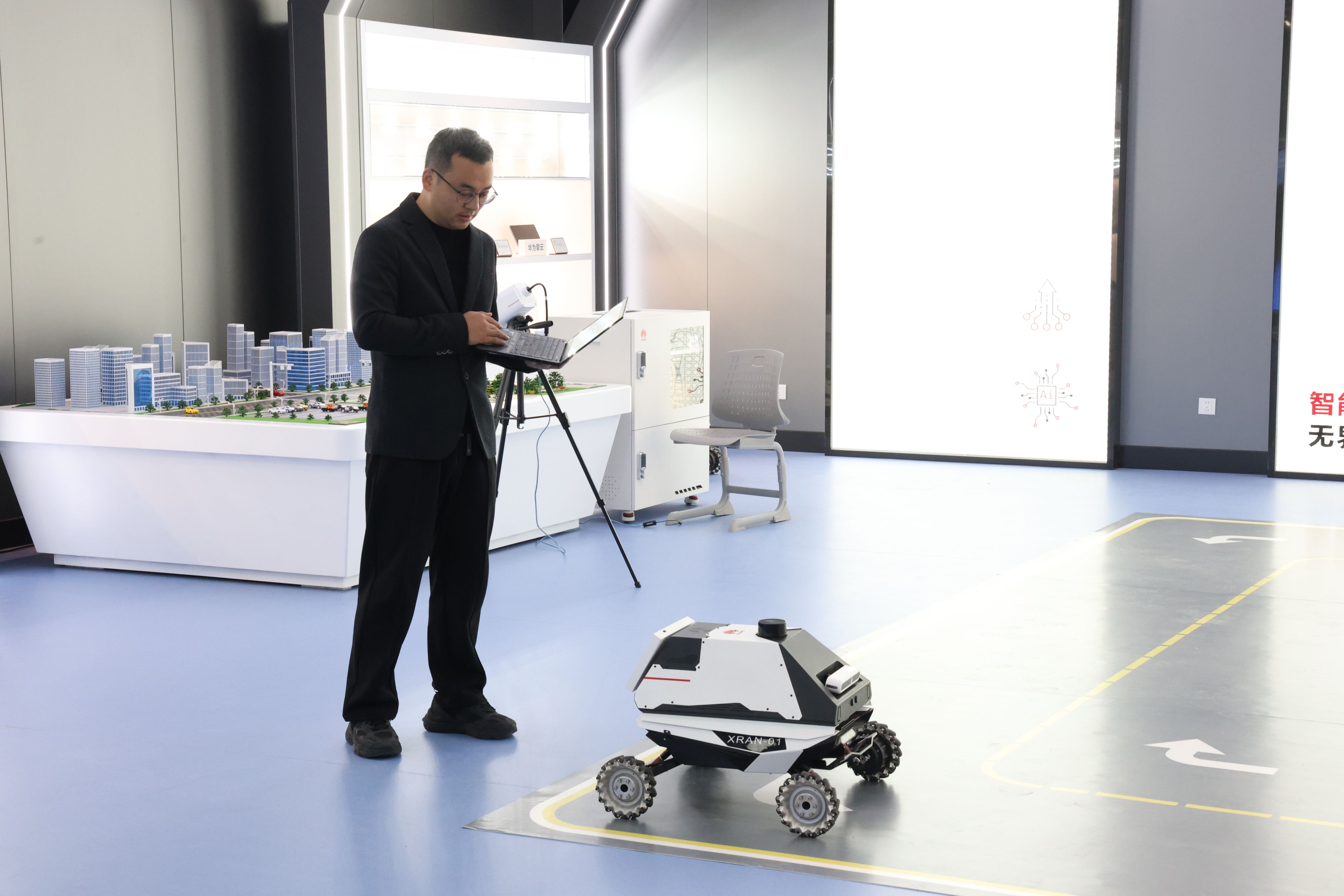
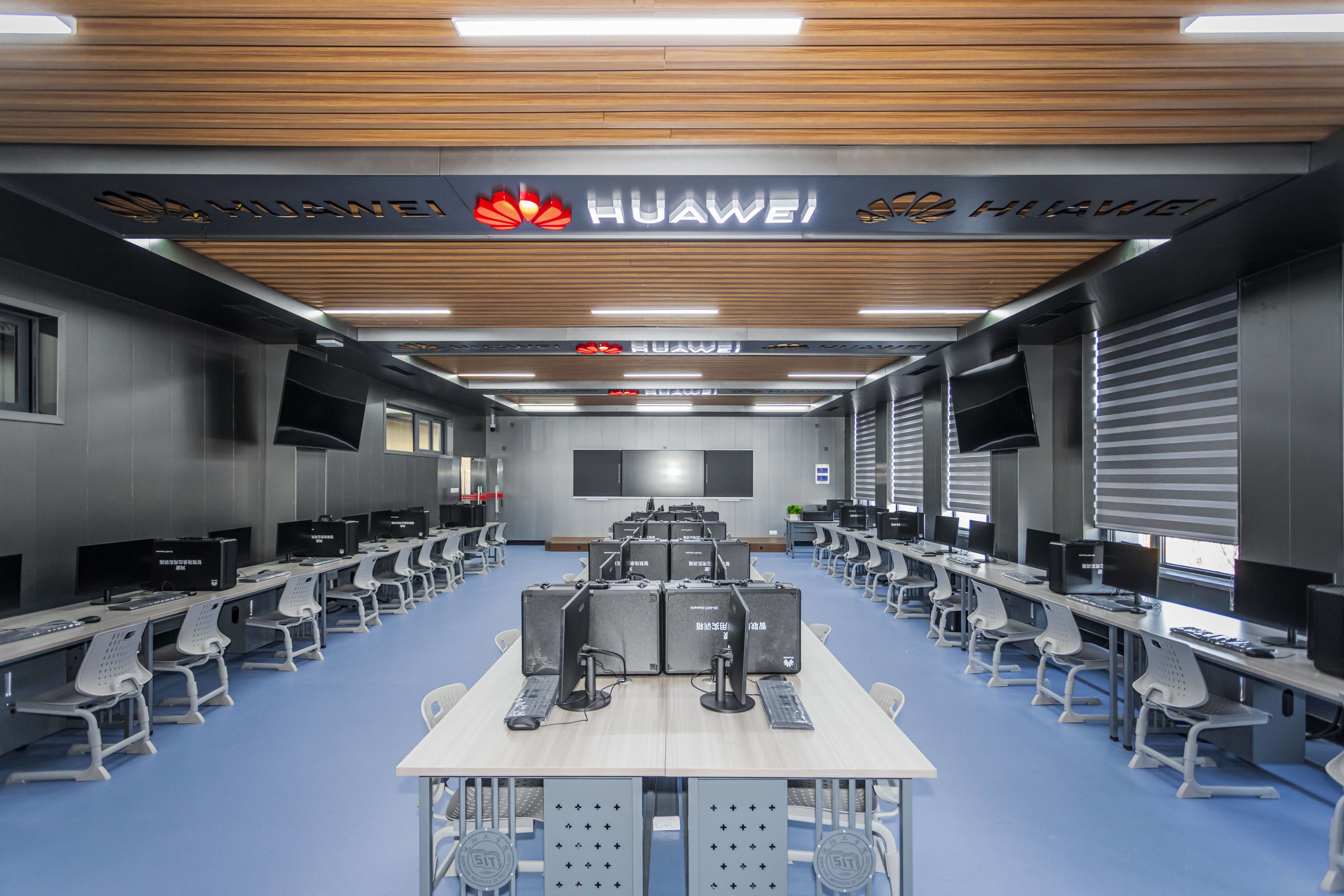
Speaking on the THE Connect podcast, Justin Mendes, director of applied and technical English and cross-cultural communications at SIT, explained how his work bridges industry innovation with education. In partnership with Huawei, the university has established the SIT Modern Industrial Institute with the aim of blending theory and practice to cultivate national and international talent.

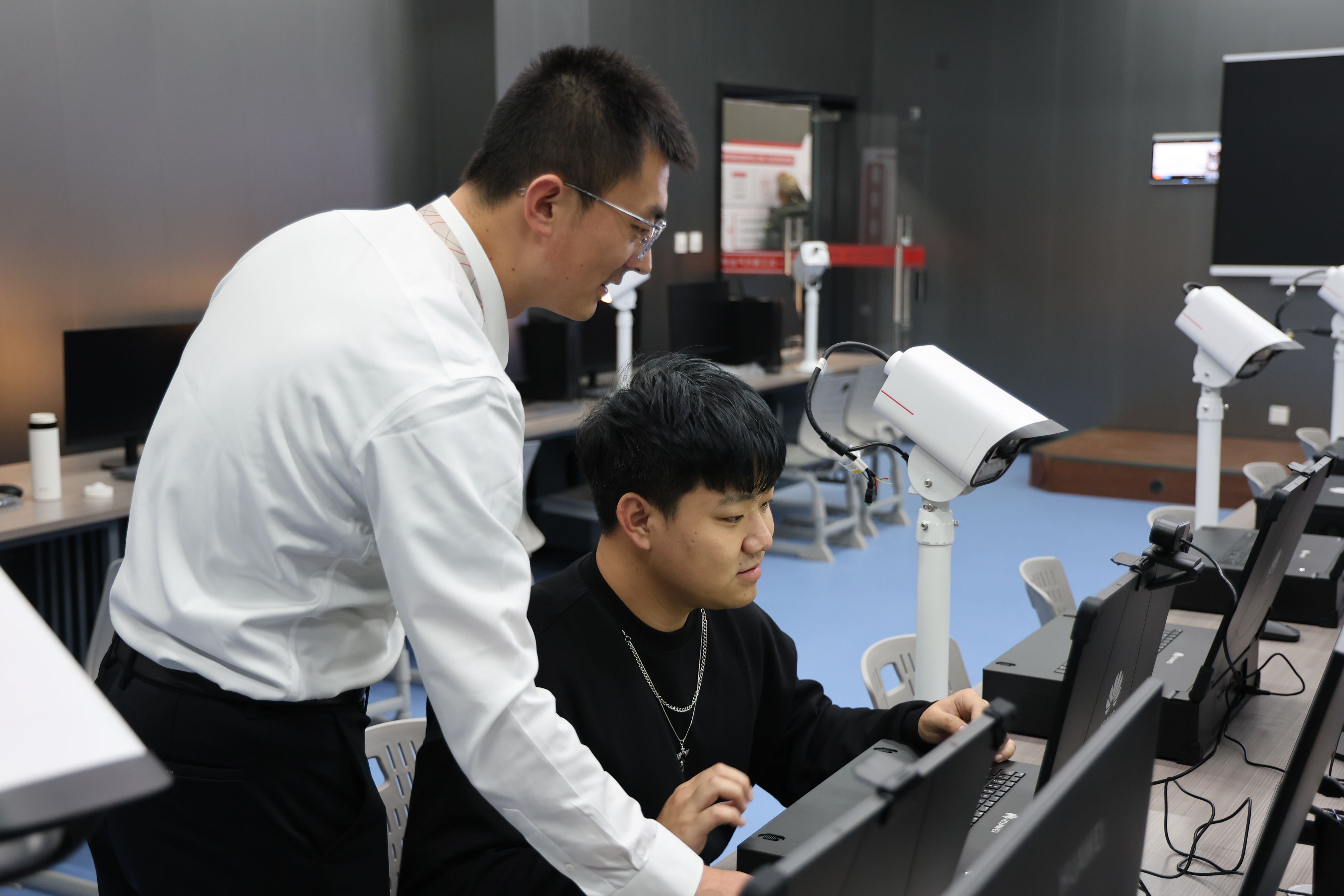

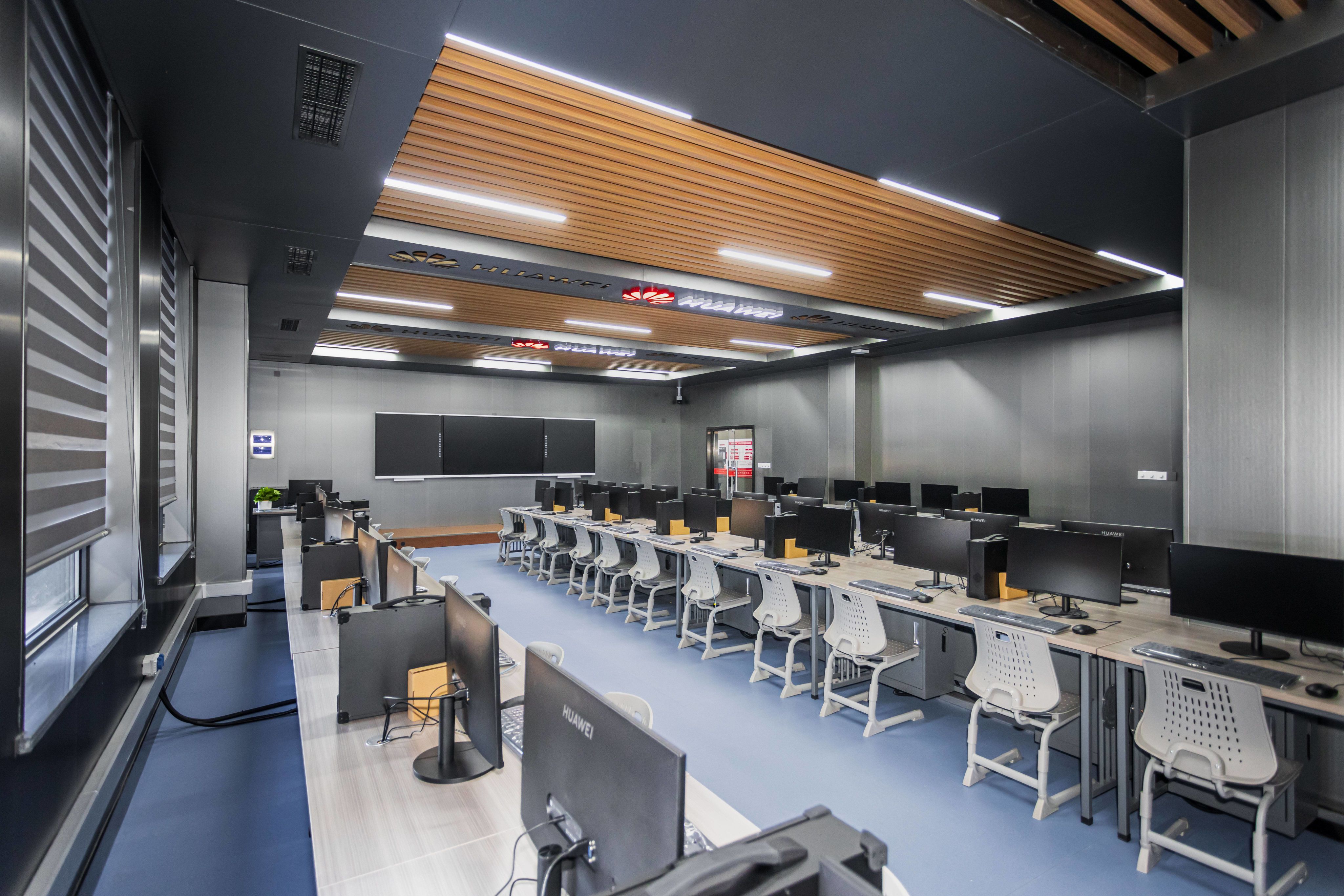
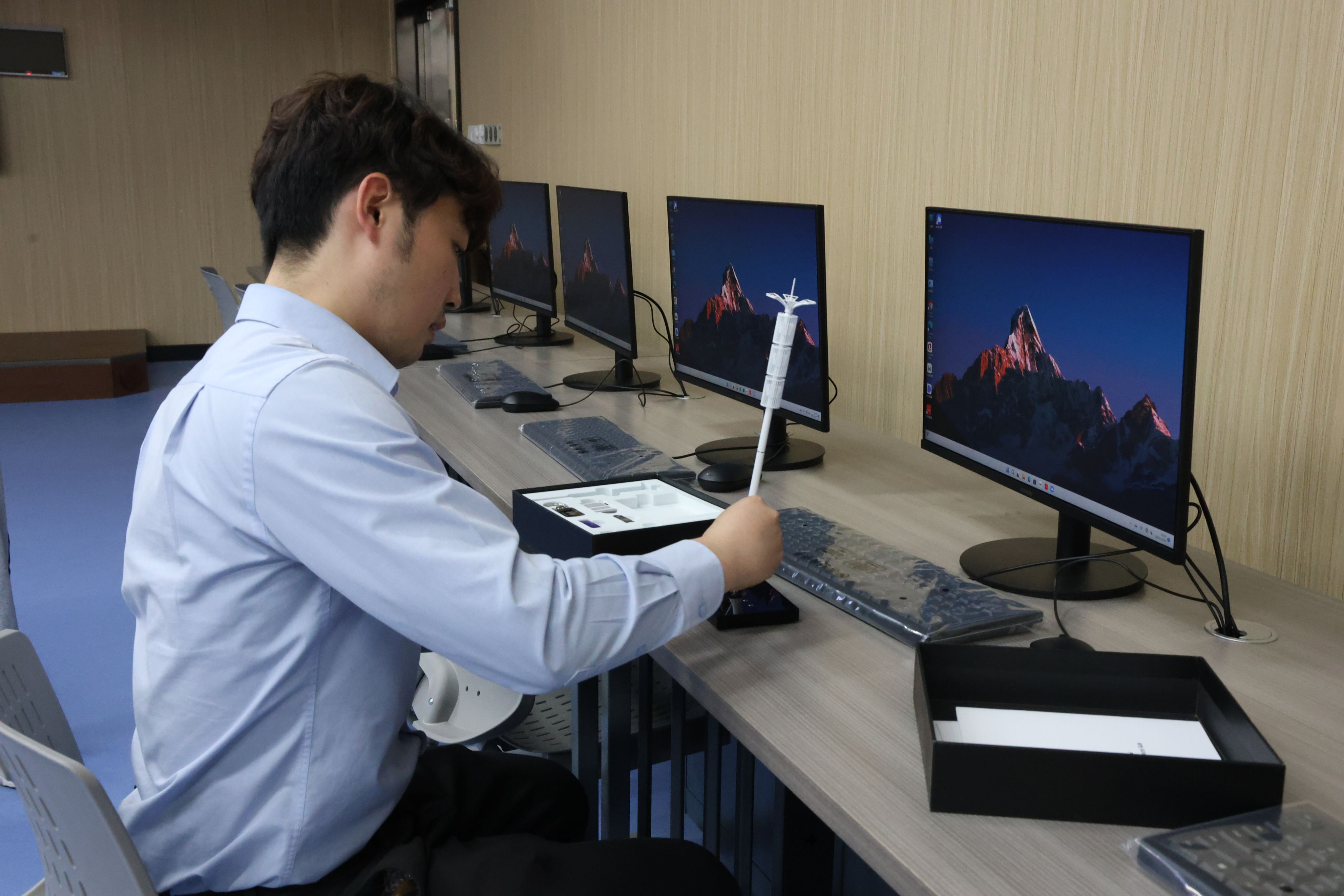
“We partner with tech leaders such as Huawei to transform how we prepare students for a digital and intelligent future. They help us to design, develop and manage the curriculum, including managing specialised courses,” Mendes said. The partnership with Huawei is a win-win, in that SIT had help addressing some critical challenges such as enrolment, curriculum design and graduate employment. While Huawei and the wider industry get pre-trained students who know exactly what to do. “It’s plug and play,” he added. “They can walk into the company and start doing their job because they’ve already been trained to do it.”
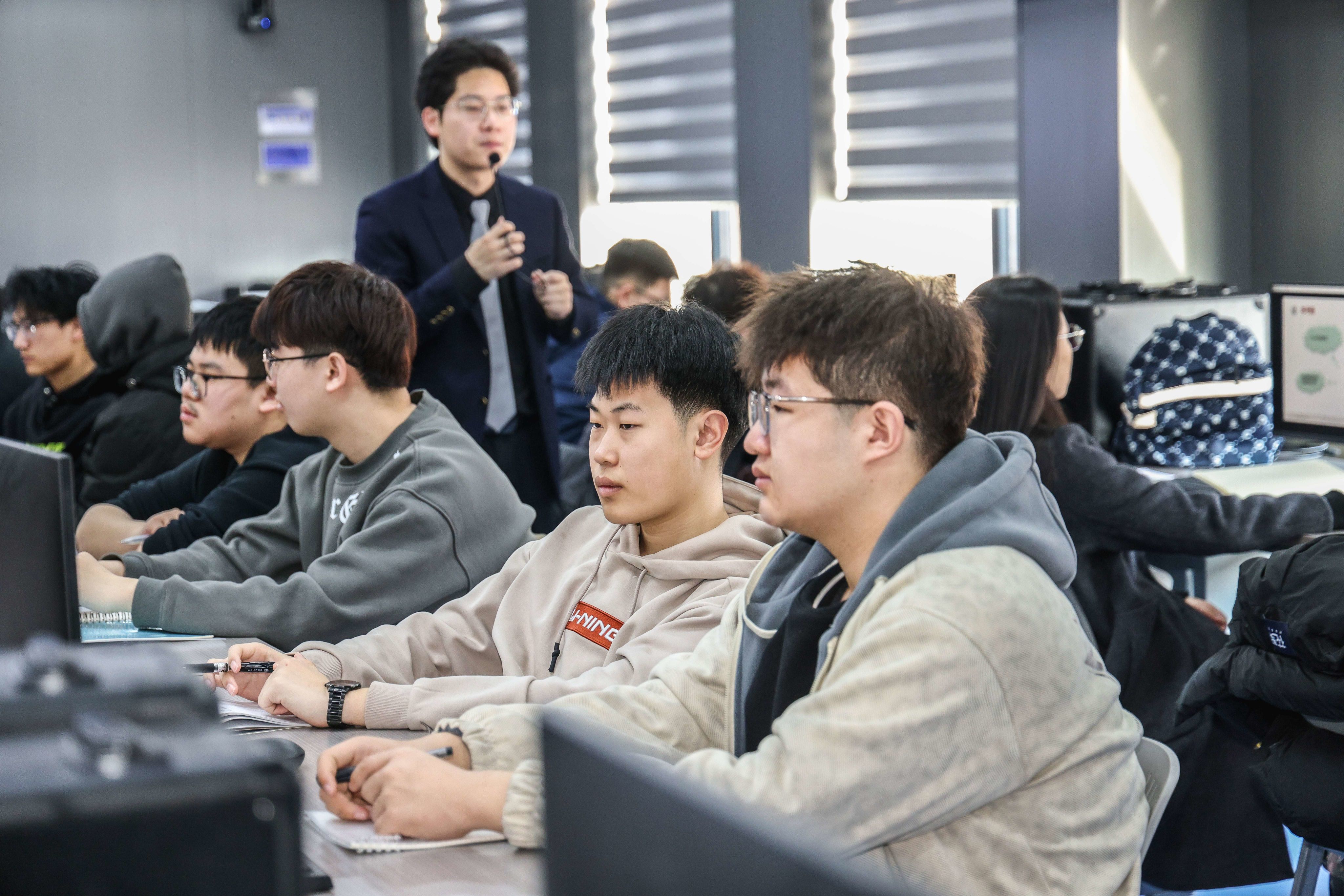
Mendes has recently developed an English for robotics course, which helps students to master their technical communication skills. He believes that language is a reflection of culture and has an important role to play in digital careers. “I love that I’m the language guy in a technical area,” he added. “It’s a strategic advantage because we don’t just use technology in isolation, we apply it.” When asked to run the course, he was initially sceptical because his background is in the humanities and social sciences, but he soon saw the value of supporting students to communicate within technical careers.


“We partner with tech leaders such as Huawei to transform how we prepare students for a digital and intelligent future.”

The partnership has been sustained by “a clear vision and excellent support from the top of the institution”, Mendes explained. Once students and faculty understand this vision, the enthusiasm for the collaboration is infectious.
Students can work on apps for Huawei’s HarmonyOS under the guidance of Huawei engineers who can offer realistic feedback. They can benefit from personalised tutoring and work with some of the most advanced AI interfaces and analytics in the world.
Mendes explained that this combination of cutting-edge access to skills development and greater career certainty made the partnership very attractive to both student cohorts and their parents.
“College is an investment and people care about the return on investment. If we have programmes that enable students to pre-train, and they have a better chance of walking into a lucrative career, that eliminates anxiety,” he said.
The collaboration means that SIT has become a “talent engine” for the region, a hub where students can step into smart manufacturing labs both in China and across the world.
Looking forward, he added, the university will build on its success with more global pathways and overseas internships, making cultural understanding and communication all the more important.
Find out more about the collaboration between SIT and Huawei.
 Built with Shorthand