
Harnessing intelligent and digital technologies for future education
Huawei is partnering with universities to improve digital infrastructure and boost students’ AI and digital skills, ensuring that graduates in every field are trained to thrive in tomorrow’s workforce


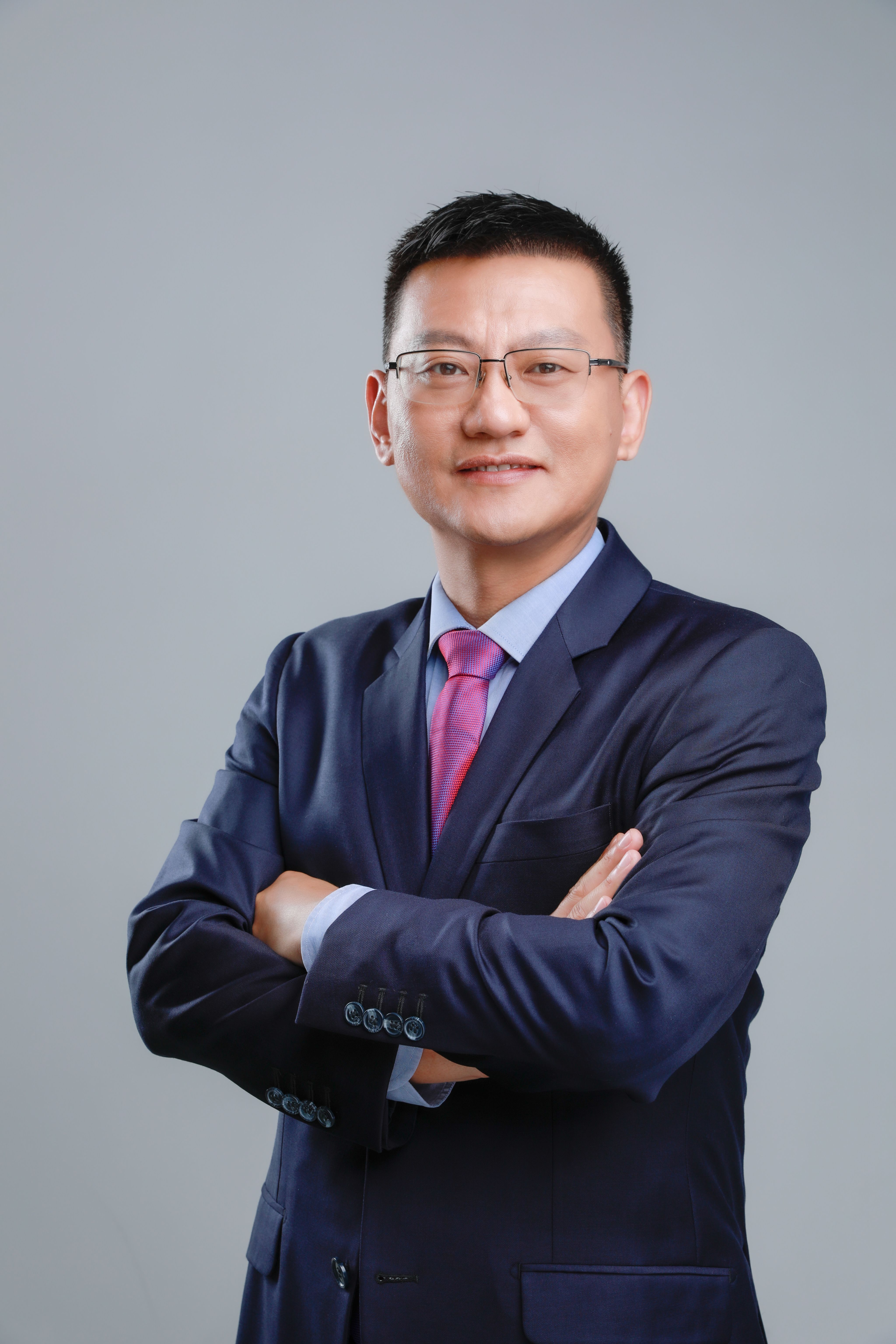
In his keynote at THE Digital Universities Asia 2025 event, Wind Li, vice-president of Huawei and CEO of the global public sector business unit, explained how AI will impact graduate careers in all industries – not just digital ones. “It will impact not only the education sector, but also the society we live in today. To improve everyone’s skills and digital capabilities in AI is very important,” he told delegates at the event. “In any sector, even if your major is finance, you’ll need to spend maybe 40 per cent of your time on AI. So, you’ll need machines, you’ll need to know the technology.”
In an interview with THE following his keynote speech at the event, Li emphasised that without significant computing power, AI’s impact will be limited, and that the platforms supporting large language models cannot be taken for granted. Universities also need to bridge the gap between learners being digital natives – having used their phones and pads from a young age – to being experts who are able to transition into the working world.

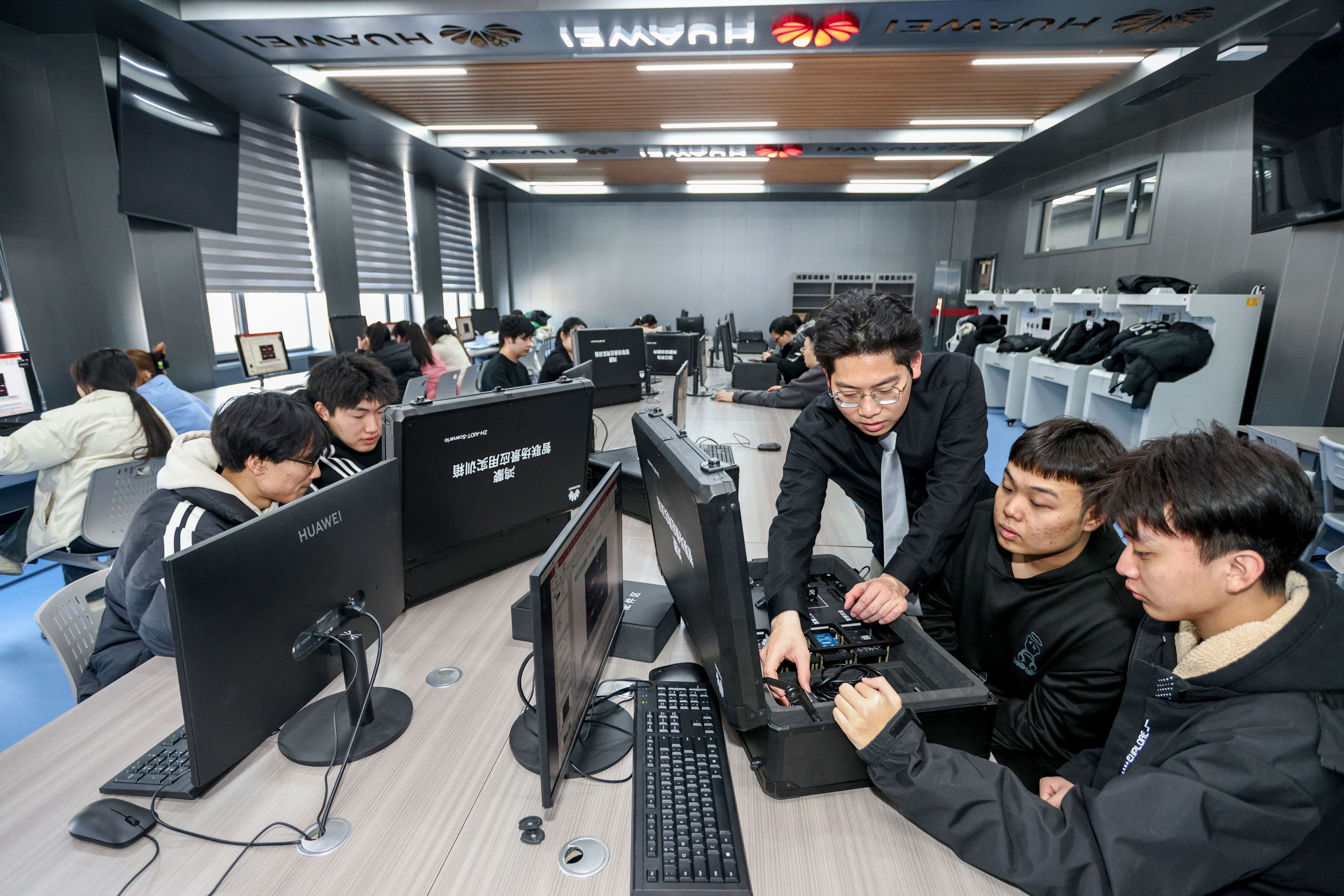



“If you do not have very good digital services, this can be a real challenge when you go into a real job,” Li explained. “Most students don’t have the computing power they need.” Huawei is working with universities to address this challenge, for example, at Southeast University in Nanjing, China. “We helped build a unique research platform for all students,” Li added. This has opened access to connectivity that had previously only been open to certain students, professors or laboratories.
The company is also partnering closely with universities on building career pathways for graduates. Apart from building a research platform to accelerate innovation, Shanghai Jiao Tong University has worked with Huawei to develop programmes that teach students about digital technologies and facilitate innovation and entrepreneurship. Huawei’s solutions are integrated into the curriculum through courses covering the Internet of Things, the HarmonyOS operating system and AI, training more than 2,000 students so far.

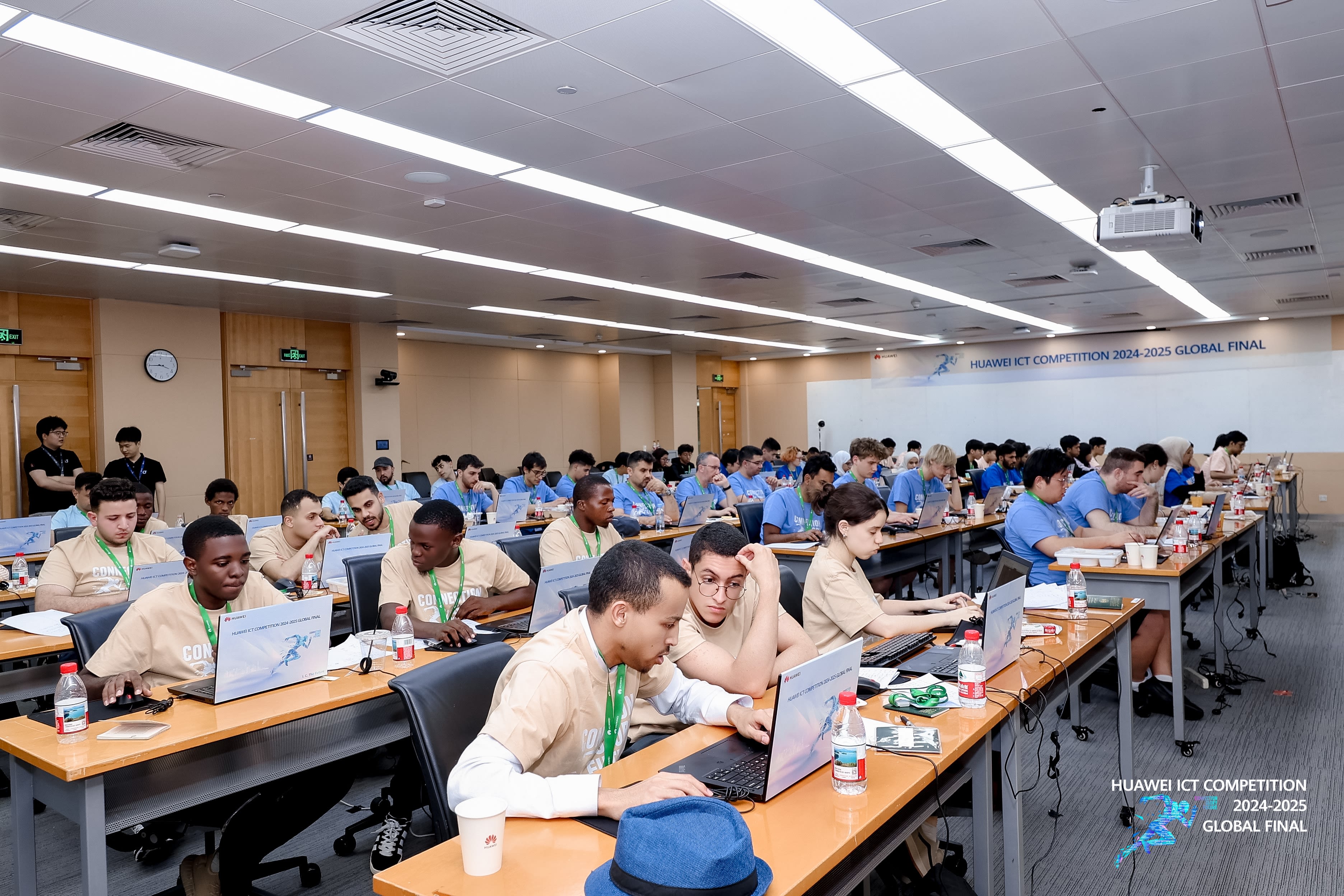
“The workforce will continue changing even after they start work,” Li said. “We want to provide a good service, provide a platform, provide basic tools for the students and teachers to adapt to societies. There are still 700 million students in the world who are not connected, and we need to push countries and their policymakers to address this.”
Winning over academic staff can be a challenge, he admitted, but he has a strategy. “If a teacher refused to use a smart classroom system, I would encourage them to use it three times. They use it three times and then say they can’t teach without it. It’s not difficult, it’s about willingness, and we want to make it easier to use technology in the classroom.”
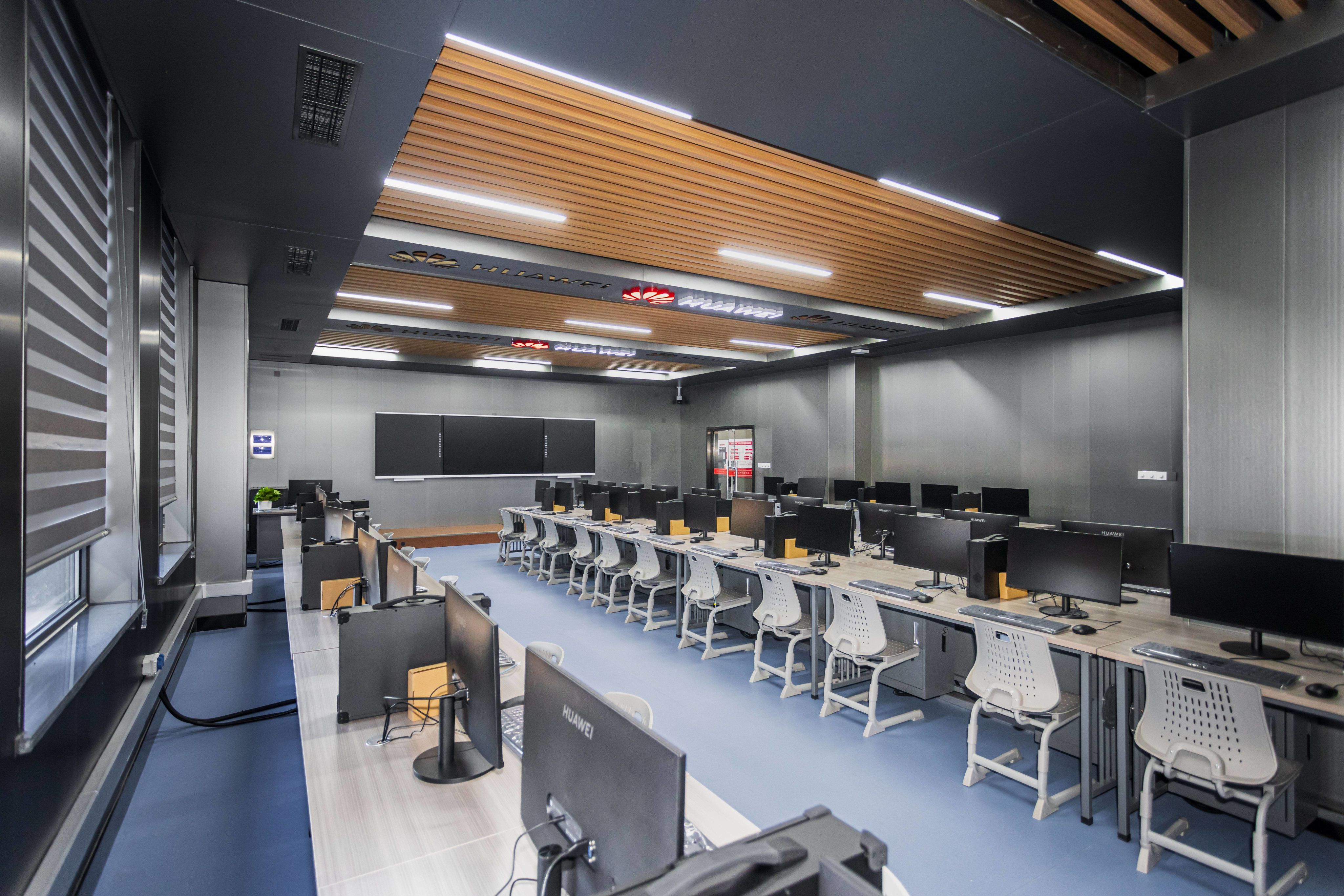


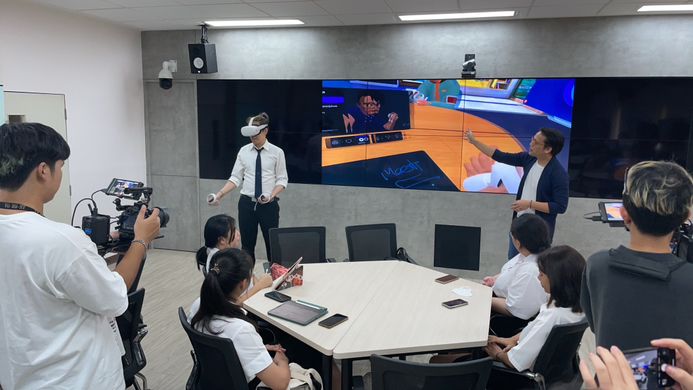
Li acknowledged that building digital infrastructure with universities did not mean “job done”, and that businesses like Huawei need to keep working alongside institutions as they continue to evolve and face new challenges. “We say to universities, ‘let’s move together and find a solution,’” he said.
Find out how Huawei is supporting the future of intelligent, digital education.
 Built with Shorthand