
THE Awards 2026
Winners in profile
Awards ceremony: 26 November 2026
The Vox Conference Venue, Birmingham
#THEAwards
THE Outstanding Achievement Award
International Collaboration of the Year
Knowledge Exchange / Transfer Initiative of the Year
Most Innovative Teacher of the Year
Outstanding Contribution to Environmental Leadership
Outstanding Contribution to Equality, Diversity and Inclusion
Outstanding Library Team of the Year
Outstanding Marketing / Communications Team of the Year
Outstanding Research Supervisor of the Year
Outstanding Support for Students
Outstanding Technician of the Year
Research Project of the Year: Arts, Humanities and Social Sciences
Research Project of the Year: STEM
Specialist Institution of the Year
Introduction
Making the case for higher education these days is a tricky proposition: those who work in and support the sector have constantly to demonstrate its public value without appearing to engage in special pleading or in seeking simply to justify their continued existence.
When confronting academia’s naysayers, those in the firing line might do well to arm themselves with the stories of the winners of the Times Higher Education Awards 2026, which we share here, for together they stand as a formidable riposte to the doubters.
This year’s victors have, among other things, helped to turn a Welsh port city into a hotbed of entrepreneurship, bring oysters back from extinction in the Firth of Forth, and transform health outcomes for millions of people in one of the world’s poorest countries. They have kept Paul McCartney’s artistic legacy alive in the city of his birth and have worked with one of the UK’s largest newspapers to confront the role that slavery played in its foundation.
Amid a steady drumbeat of cuts in universities across our nations, it is sometimes asked whether we will soon be left without much of a higher education sector to speak of. This is something that we must guard against, but these awards show that academia remains resilient, and still bubbling with creativity, dynamism and, even, optimism.
The achievements that we detail here are significant, and they also showcase the strength that higher education across the UK and Ireland draws from its diversity. While a handful of universities tend to dominate the headlines, we have found excellence on campuses of all shapes and sizes. It is noteworthy that, for what we believe is the first time, tonight’s 21 winners represent 21 separate institutions.
Congratulations to all of those who made our shortlists – and, of course, to our winners.
Chris Havergal, editor
Times Higher Education
Judges
Matthew Andrews
Secretary and registrar,
University of Hertfordshire
Jamie Arrowsmith
Director, Universities UK International
Alasdair Cameron
Chief Executive, ARMA
Anne-Marie Canning
Opportunity Mission Challenge director, UK Research and Innovation
Mike Clark
Director of campus infrastructure, Trinity College Dublin and past chair, AUDE
Karen Clegg
Reader in doctoral education and practice, University of York
Heidi Fraser-Krauss
Chief executive, Jisc
Chris Havergal
Editor, THE
Nick Hillman
Director, Higher Education Policy Institute
Liz Jolly
University librarian, University College Cork
Stephanie Marshall
Vice-president (education), Queen Mary University of London
Ceri Nursaw
Chief executive, National Centre for Entrepreneurship in Education (NCEE)
Aloma Onyemah
Head of EDI and communities, Leicester City Council
Graeme Reid
Chair of science and research policy, UCL
Barney Roe
Deputy CEO and director of external relations, Chartered Association of Business Schools
Rick Rylance
Emeritus professor, School of Advanced Study, University of London, and former CEO of Arts and Humanities Research Council
Daniella Tilbury
UK government focal point, UN Economic Commission for Europe (UNECE), and Fellow (Hon), St Catherine's College, Cambridge
Kelly Vere
Director, UK Institute for Technical Skills and Strategy, and programme lead, Technician Commitment
Andy Westwood
Policy Director, The Productivity Institute, and professor of public policy, government and business, the University of Manchester
Jonathan Wilson
Director (content) international business, and professor of brand strategy and culture, Regent's University London
University of the Year
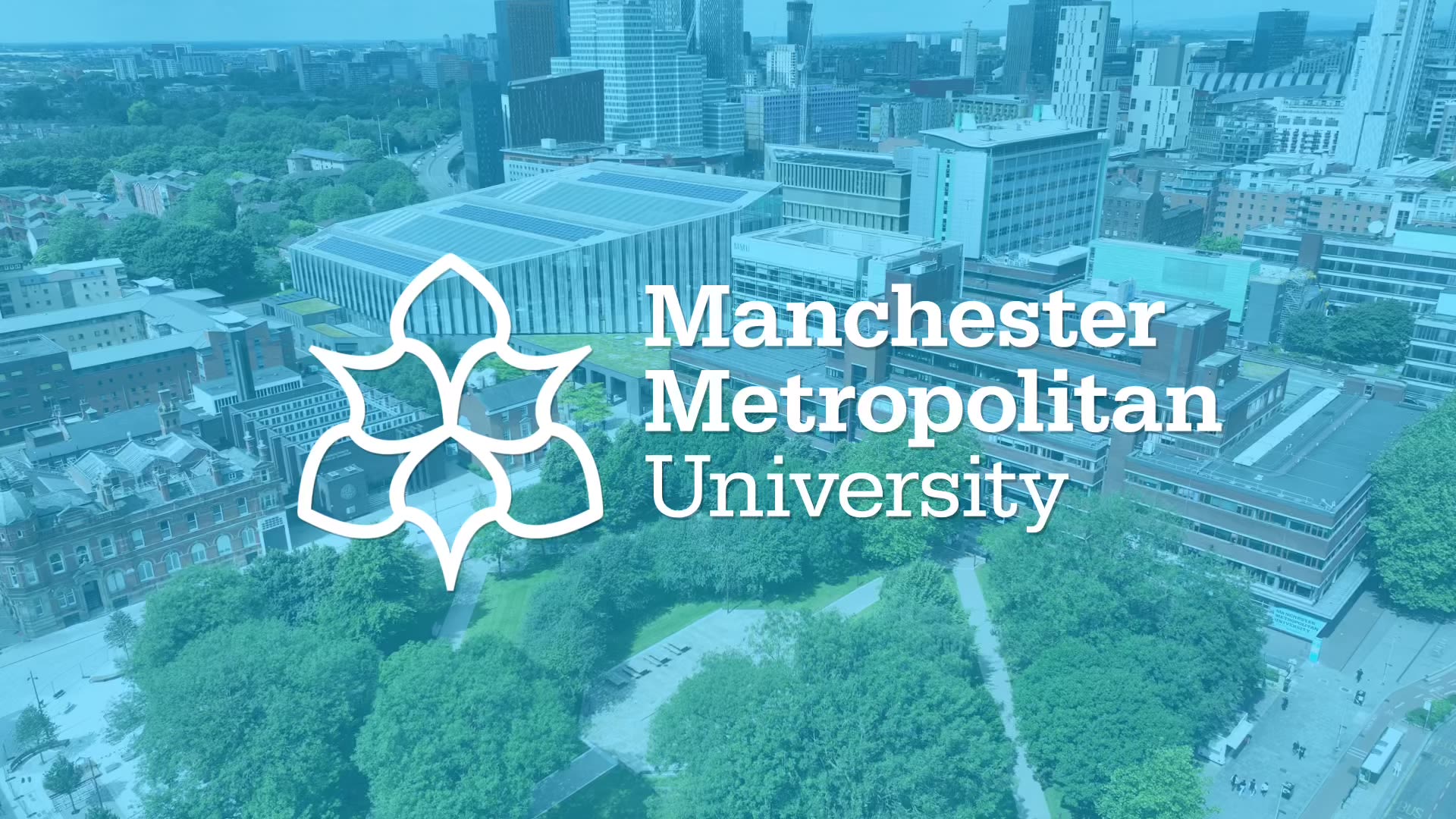
Manchester Metropolitan University
Sponsored by Adobe
Manchester Metropolitan University is an institution that has developed a clear and distinctive strategy, taken tough decisions early, and stuck with that vision for the long term. It is now reaping the benefits of that approach.
It operates at significant scale, boasting the largest domestic intake in the UK in 2025-26, with 44,000 students now on its rolls. Some 46 per cent of these are first-generation students, while 42 per cent are from an ethnic minority background.
The education that these students receive is of the highest quality, with Manchester Met chalking up consecutive top 20 placings in the National Student Survey. This is underpinned by investment in teaching staff, with the university having created parallel career pathways in both research and education practice, both of which can lead to professorships. The university is one of the UK’s largest providers of degree apprenticeships.
Historically Manchester Met was spending millions of pounds annually on research, which it described as being unproductive. This activity is now much more focused and impactful, having been concentrated in three high-performing and innovative institutes, with the result that grants and awards have quadrupled over the past decade, and 90 per cent of research is now rated world-leading or internationally excellent.
Manchester Met demonstrates outstanding progress across the full range of university activity: widening participation, teaching, research and financial performance. This is undoubtedly the result of the institution setting out a clear and distinctive strategy then sticking with it over time – but also of its drive to put staff and student experience at the heart of everything that happens on campus.
These across-the-board achievements have helped to deliver annual surpluses and debt-free status, and have driven domestic league table improvements, too.
The story of Manchester Met’s transformation, improving performance on every metric while keeping staff and students engaged, is an impressive reflection on the institution’s strategic vision, and a strong record of delivery against this.
THE Outstanding Achievement Award
Sir Anton Muscatelli
Anton Muscatelli’s academic career was very nearly cut short – joining the University of Glasgow as a teaching assistant after completing his PhD there, he was accepted on to a graduate trainee scheme for a high-street bank, but was persuaded to stay at Glasgow for another year.
Within five, he was a professor, a head of department within another three, and then a dean five years later, over this time establishing himself as one of our leading monetary economists.
Speaking to THE on his retirement, Muscatelli recalled that he was “quite happy being an academic” and had no designs on high office, but over four decades at Glasgow – a tenure interrupted only by a two-year spell as principal of Heriot-Watt University – he would go right to the top, spending 16 years at the helm of his alma mater.
During this time, Glasgow was transformed from a smaller Russell Group member into a leading research-intensive university with strong civic roots and global reach. Underpinned by robust financial performance, Muscatelli’s Glasgow took pioneering action to embrace the sustainable development agenda, to develop more equitable global partnerships, and to examine its historical links with slavery.
As a vice-chancellor, Anton Muscatelli transformed Glasgow into a top-tier research-intensive university with far-reaching global impact. In a range of leadership roles, the wider sector has benefited hugely from his expertise and judgement. And as one of our leading economists, his impact on public policy has been significant. Few scholars have done more to shape UK higher education during the first quarter of this century.
His influence extended well beyond Glasgow, with Muscatelli holding a series of senior sector roles, including a term as Russell Group chair. As an economist, he has had a significant impact outside academia as well, holding numerous UK and Scottish government roles.
All of this has been achieved with great charm and grace; Muscatelli’s social media followers will be well acquainted with his love of Inter Milan and Italian gastronomy. Salute, Sir Anton. Few scholars have done more to shape the UK higher education sector during the first quarter of this century, and for this you have our gratitude.
Business School of the Year
Royal Docks School of Business and Law, University of East London
The Royal Docks School of Business and Law exemplifies a business school working at its very best. With its emphasis on widening participation, supporting local communities, and entrepreneurship, it has shown itself to excel in all areas of business education.
The school has a key role in widening access to higher education, with 81 per cent of its undergraduate home students coming from one of the five most-deprived deciles in 2024-25. Its numerous programmes targeting unequal access to education and businesses assisted more than 200 participants in 2024-25, with 80 per cent progressing into education, employment or enterprise.
Its economic contributions are clear. Its 6,000 international students contributed an estimated £74 million to the local economy, and more than 3,000 students worked on 700 consultancy projects – worth £4.8 million to the regional economy. This included its Legal Advice Centre, Tax and Accountancy Clinic and Business Advice Centre, which provide support worth £1.5 million to more than 600 small and medium-sized enterprises, community organisations and members of the public in pro bono assistance.
The business school has a clear focus on entrepreneurship. Its Business Incubator created 11 new businesses and supported 40 existing enterprises. This included an AI warehouse automation start-up that secured £2.3 million in investment as well as a social impact organisation that received £78,000 in Arts Council England funding.
Overall, the school displayed clear ambition to embed itself firmly into its local region, as well as supporting its students to excel beyond its London campus.
We admired Royal Docks School of Business and Law for delivering exceptional and demonstrable social and economic impact at scale, combining student experience, enterprise and community engagement to create real opportunities for people who face significant barriers to participation. The school also stood out for its ability to translate teaching and research into tangible benefits for individuals, businesses and the wider East London economy.
International Collaboration of the Year
King’s College London
Sponsored by Anderson Quigley
Healthcare in Somaliland, a country of 4.2 million people, has been reshaped by a project led by King’s College London. Working with international partners including the World Health Organisation, King’s helped Somaliland’s Ministry of Health Development to develop a five-year road map to improve quality of care across the country’s health system.
Crucially, the policy was informed by the voices of 2,500 people across Somaliland, who were surveyed about their experiences of healthcare and their confidence in the system – the first time that public opinion has directly shaped national health policy.
Key innovations under the new policy included efforts to ensure that the country’s six regional hospitals meet international standards for infection prevention and control, with philanthropic donations helping to secure essential equipment such as sterilising machines and waste management systems.
Meanwhile, Somaliland’s medical schools have been supported to transition to a new undergraduate curriculum, meaning that all doctors entering the health system for the first time will have studied a standard set of subjects that are tailored to the country’s needs and meet international standards.
The King’s project also seeks to strengthen health systems in Sierra Leone, the Democratic Republic of Congo, Zambia and Gambia. The survey tool has also been presented at major health conferences, meaning that its influence could stretch even further.
King’s College London’s National Quality Improvement Programme is a powerful example of international collaboration delivering lasting, systemic change. By bringing together government, universities, healthcare partners and communities, the project has strengthened healthcare quality for millions of people in Somaliland, creating a sustainable approach with global relevance that’s underpinned by a true partnership.
Knowledge Exchange/Transfer Initiative of the Year
University of Surrey
With the goal of breaking down communication barriers for millions of deaf people worldwide, the University of Surrey and artificial intelligence start-up Signapse.ai created a service that put the deaf community at the heart of AI innovation.
Drawing on Surrey’s world-leading research, Signapse is transforming sign-language translation through AI-powered digital signers. Its technology has been rolled out across more than 2,500 UK railway stations served by three major train operators, delivering more than 750,000 announcements in British Sign Language.
The scale of its achievements is remarkable: over 294,000 videos generated, 326,000 website users and technology available on more than 40 websites.
Central to this initiative is its deaf-first approach. Researchers, industry specialists and deaf advisers collaborated throughout development to ensure that the technology reflected the complexities of signed languages. One-third of Signapse's employees are deaf, demonstrating the company’s commitment to meaningful representation and ensuring that innovation genuinely helps to address the digital exclusion faced by some 70 million deaf sign-language users globally.
The partnership has attracted major investment, including £1 million from Google to support digital inclusion for 600,000 deaf people, alongside multimillion-pound research collaborations.
With growing international reach and ambitions to support multiple sign languages, Signapse demonstrates the extraordinary commercial and social potential of university research.
We were impressed by the way the research team worked alongside the deaf community to co-create and refine the commercial product. Surrey’s deaf-led approach demonstrates that communities can be far more than end users; they can be integral partners in both the design and commercial delivery of innovative products.
Most Innovative Teacher of the Year
Hongmei Sun, University of Sheffield
Hongmei Sun, lecturer in operations management at the University of Sheffield, impressed the judges with her commitment to student development and response to student feedback, while taking a creative approach to higher education, making innovative use of technology.
From student feedback, Sun saw that students had limited opportunities to experience how emerging technologies are reshaping organisations and managerial decisions. To address this lack, she organised workshops delivered by industry professionals, as well as introducing virtual reality sessions, role-play sessions and interactive platforms to allow students to better understand operational challenges.
Centring students’ career progression, she introduced an analytics career insight dashboard that drew on more than 10,000 recent supply chain job advertisements. The dashboard highlighted in-demand skills, software tools and knowledge areas, giving students a clear understanding of the skills desired by employers in their future profession.
Her impact on students was clear. Her module achieved a 93 per cent student satisfaction score in 2024-25, increasing to 95 per cent in 2025-26. She was described by one student as “clearly someone who is passionate about their work”. Sun’s work has been selected as a case study for the university’s Directory of Good Practice, and she has been invited to share her approach at a university-wide work-related learning session.
Sun displayed an innovative approach that addressed students’ concerns about the workplace, as well as deploying technologies in a way that captured students’ attention.
Hongmei Sun transformed the teaching of supply chain technology by creating an innovative, digitally enabled learning experience that bridges academic theory and professional practice. Responding to student feedback and emerging industry needs, she redesigned the module around immersive and experiential activities. Her commitment to continuous enhancement included the introduction of labour-market intelligence tools, helping students to understand future skills demands.
Outstanding Contribution to Environmental Leadership
Lancaster University
Progress towards solving environmental issues requires strong leadership and the engagement of a whole organisation. Such is the approach of Lancaster University, whose transformative initiatives place it on track to achieve net zero for direct and indirect greenhouse emissions ahead of its 2030 target. Examples include the creation of one of the largest air source heat pump energy centres in the country; Energy Centre 2, one of only two east-west 11.5-MW solar farms designed to match campus energy demand; and a 2.3-MW wind turbine.
Energy Centre 2 acts as a research test bed for students and opens its doors to colleagues from all sectors to help transfer its approaches to other spaces. For example, colleagues can learn how to integrate solar farms without negative environmental impact, and how wind turbine technology works. The centre also invites local schools and community groups to visit for field trips.
Lancaster University shows what environmental leadership looks like when it runs through a whole institution. Its renewable energy infrastructure doubles as a resource for teaching, research and community learning. The same commitment extends to student engagement, schools across Morecambe Bay and the university’s supply chain, turning the campus into a living platform for change. We were particularly impressed by the breadth of this approach.
The university is equipping the next generation with the knowledge, skills and confidence to shape a more sustainable future. It funds paid student internships to trial innovative environmental projects and encourages students to engage in sustainability projects, such as the campus-wide, student-led, “don’t ditch it” project, which has diverted more than 42 tonnes of unwanted student items from landfill and raised more than £64,000 for local, national and international causes. The university is also working to embed sustainability into education from early years through to higher education via the Morecambe Bay Curriculum.
It is also empowering businesses in its supply chain to measure their environmental impacts, develop action plans and strengthen environmental performance by providing free access to the NETpositive Supplier Engagement Tool.
Outstanding Contribution to Equality, Diversity and Inclusion
University of Bradford
Sponsored by Veredus
Despite having a diverse undergraduate student population, the University of Bradford found that too few students from black, Asian and other minority ethnic backgrounds were pursuing academic careers. It launched the £1.6 million Brad-ATTAIN (Bradford Pathways to Academia for Minoritised Ethnicities) project in an effort to change that.
The initiative funded 28 research internships, 11 studentships and travel bursaries to help students from different backgrounds attend conferences. Summer schools and seminars reached more than 700 prospective and incoming PhD students, while networking events brought together hundreds of postgraduate researchers and early career researchers from at least 20 universities.
The programme also focused on introducing cultural competency training informed by students’ experiences and encouraging diversity among supervisory teams.
The results have been significant. The university said the proportion of postgraduate researchers from ethnic minority backgrounds rose from 52 per cent in 2022-23 to 71 per cent in 2024-25, far above the sector average of 24 per cent.
The proportion of supervisors from these backgrounds also more than doubled, from 32 per cent to 68 per cent. The programme stands out because it was able to address financial barriers and students’ sense of belonging to advance social mobility and employability in academia.
Brad-ATTAIN is a bold and innovative programme tackling the longstanding under-representation of postgraduate researchers from diverse backgrounds, using evidence-based methods of development and evaluation. The university has adopted a whole pipeline approach, designing inclusion into key points in the PGR life cycle to deliver tangible, sustainable impact, creating valuable insight and learning.
Outstanding Contribution to the Local Community
Liverpool School of Tropical Medicine
Sponsored by Anderson Quigley
Punch and Judy can still make us laugh, but can they make us healthier? This was put to the test in a project that sought to use storytelling to address health inequalities in some of the poorest parts of Liverpool.
Led by the Liverpool School of Tropical Medicine, in partnership with other higher education institutions, local authorities and healthcare trusts, the ReCITE (Building Research by Communities to Address Inequities Through Expression) led to 12 specific initiatives across deprived areas of Liverpool, Sefton and Knowsley, where too many people live shorter lives and have fewer years in good health than they should.
The aim was to shift the focus from the fear-inciting concept of “disease” to real people and their experiences, using interventions including puppetry, podcasting, curriculum resources and meditation sessions.
This struck a chord for the way in which it brings different disciplines and communities together in a cost-effective way. The project is – quite literally – extending people’s lives. The use of nostalgic seaside humour to raise cancer screening rates was a brilliantly effective idea, and the whole approach could be scaled to benefit other parts of the country.
One such project, “Lungevity”, drew inspiration from 1960s seaside nostalgia to create a Punch and Judy-style show that encouraged lung cancer screening, urging attendees to try “Just One Lung Check-o”, a spoof on “Just One Cornetto”, and facilitating more than 1,300 conversations about screening.
Meanwhile, a “Healthy Hero Academy” developed school health days, drama classes and workbooks to support uptake of vaccination against measles, mumps and rubella in Knowsley, reaching more than 660 children across 17 schools.
The project has attracted national attention, with Jenny Harries attending an event during her term as head of the UK Health Security Agency to learn more about its impact.
Outstanding Entrepreneurial University
Swansea University
Sponsored by NCEE
With deep roots in its community and an increasingly influential role in the regional technology economy, Swansea University shows how entrepreneurial ambition can transform a city, create opportunities and drive economic growth.
Founded on the principle of being “created by industry, for industry”, Swansea has reinvented its approach to enterprise, placing collaboration with local businesses and emerging entrepreneurs at the heart of its mission.
Ranked fourth in the UK for university spin-out creation and 10th for start-ups, the university is helping to establish the region as a thriving hub for technology, research commercialisation and enterprise.
We were particularly impressed by Swansea’s institution-wide approach to entrepreneurship, spanning teaching, research, faculties and community engagement, with entrepreneurial thinking recognised as a core graduate attribute. Reaching over 14,000 learners and supporting the creation of more than 100 start-ups, Swansea has demonstrated how entrepreneurship can deliver tangible outcomes for students, the institution and the wider community.
In 2024-25 alone, more than 14,000 students participated in enterprise activities, generating 508 validated business ideas and 101 student start-ups. A network of over 130 enterprise champions ensures that entrepreneurial opportunities reach across the university, while a £250,000 fellowship fund buys out time for staff to pursue spin-out projects.
The university has prioritised widening participation through initiatives that support female, first-generation and under-represented founders. Another focus is sustainability, with one initiative, Sunrise, developing affordable solar-energy solutions through partnerships across the UK, India and the Global South.
Swansea’s impact extends far beyond campus. Through partnerships with regional businesses, support for small enterprises and initiatives promoting inclusive entrepreneurship, it is nurturing local talent, strengthening skills and helping to retain graduates in the regional economy.
Outstanding Estates Team
St Mary’s University, Twickenham
Students have played a central role in reshaping the campus of St Mary’s University, Twickenham. Through an academic module, they were challenged to research, design and present a business case for a “living room” space supporting study, rest and social connection, winning the commission competitively from the institution’s leadership. Nine in 10 participants reported that the experience had helped them to improve their employability skills.
This co-creation model extended to the reconfiguration of the student hub, previously a series of disconnected spaces. The impact has been greatest in the case of The 1850, traditionally the students’ union nightclub, which now supports teaching, study, social activity and commercial use. In the space of a year, the number of annual events at The 1850 grew by 160 per cent, attendance more than doubled to 15,000, and the number of daytime non-alcohol events doubled also.
Collaboration between academics and students on the “Living Room” project was impressive, with a specific module created to allow student participation. More collaborations like this should be encouraged. The estates team have demonstrated careful stewardship of the university’s estate across a range of key themes, including sustainability and reducing estates costs.
The estates and campus services team can point to a series of further achievements, including a digital parcel management system, which helped to extend collection hours, a switch to app-based heating and ventilation controls, and a sustainability drive that comprised investment in replacement boilers, insulation, solar panels and air source heat pumps. These efforts contributed to a 15 per cent reduction in carbon emissions year-on-year.
Through targeted investment, the team has improved the accessibility of the Grade I-listed heritage estate, enhanced commercial use and safeguarded nationally significant assets.
These efforts embody the true meaning of guardianship and have created an ecosystem in which co-creation and innovation thrive.
Outstanding Library Team of the Year
University of Derby
Sponsored by Kortext
With skills development too important to leave to chance, the University of Derby Library created a framework to embed it across the institution. Develop@Derby builds students’ technical, cognitive and behavioural capabilities through a digital platform, in-class delivery, extracurricular workshops and one-to-one support. With these multiple pathways for connection, the approach has both driven engagement and boosted students’ confidence in measurable ways.
This equitable, personalised strategy for student success not only helps individuals to articulate their academic and employability strengths, it also aligns with industry requirements and the university’s goals for sustainable futures.
Develop@Derby takes a strategic and holistic approach to student success, enabling development of learning, technical and well-being skills through curricular and co-curricular approaches, both face to face and digital. The initiative, co-created with students, builds significantly on good practice in the sector and positions the library and its staff as key elements in student learning, development and success, providing measurable impact.
The impact is clear. Engagement has risen steadily since 2022, with 381,236 platform views in 2024-25 and 73 per cent of survey respondents agreeing that it helped to improve their personal, study or employability skills. Skills confidence scores rose over two consecutive National Student Surveys. The framework was mapped to assessment briefs in 57 per cent of sampled modules and 67 per cent of module handbooks for 2025-26, reaching about 9,000 students in the first five months of the academic year.
Looking ahead, the library team will be key to the university’s continuing response to government and regional skills needs, as well as its artificial intelligence strategy. Grounded in principles of “exposure, experience, expression”, Develop@Derby will be integrated into all curricula to give students opportunities to fulfil their aspirations and gain experience and confidence.
With renewed functions for skills librarians, the team contributes visibly to ensuring that every student succeeds in their chosen future.
Outstanding Marketing/Communications Team of the Year
London School of Hygiene and Tropical Medicine
A growing tide of misinformation poses a major risk to public health globally, with false claims about everything from vaccines to climate change overshadowing academics and professionals conveying evidence-based information. The London School of Hygiene and Tropical Medicine sought to address this head-on, launching an institution-wide campaign.
Responses included the publication of thought leadership pieces, proactive responses to health misinformation that attracted widespread media attention, and the delivery of guidance and training for staff on how to tackle hoaxers.
These efforts culminated in an event that brought together universities, communications professionals and industry figures to discuss solutions. Attracting speakers including Chris Whitty, England’s chief medical officer, and Diya Banerjee, team lead for social media at the World Health Organisation, it became LSHTM’s largest-ever hybrid event, with more than 200 attendees in person and over 900 online.
Following the event and backed by more than 100 expressions of interest, LSHTM formed the Health Information Integrity Network, the very first grouping of its kind for higher education institutions, government, charities and companies to collaborate on communications campaigns to combat harmful health misinformation.
The initiative shows a specialist institution playing its unique role to the full on a topic of immense social importance, and demonstrates what can be achieved when a university puts its full weight behind a goal.
LSHTM’s decision to run a campaign on tackling dangerous health misinformation was impressive both for its approach and its commitment to its responsibility as a guardian of knowledge, imparting and exchanging expertise. Its focus on vaccines, pandemics, climate, reproductive and women’s health – via training sessions and thought-leadership articles – ensured that its activities generated traction, delivered reach and had real impact.
Outstanding Research Supervisor of the Year
Vahid Niasar, University of Manchester
Over more than a decade, Vahid Niasar has built a research culture that has transformed students from diverse backgrounds into successful researchers.
The professor and chair of subsurface engineering and porous media physics established the Integrated Multiscale Porous Media Research (IMPRES) Group in 2014 with the aim of developing innovative engineering solutions for anything involving porous materials.
Through this, he has supervised students from chemical engineering, mechanical engineering, geoscience, petroleum and reservoir engineering, environmental engineering, and computational science.
Students have joined with different levels of experience, but a feature of Niasar’s supervision is that he does not assess students only by where they begin, but by what they learn along the way, including the effort, resilience and intellectual growth they demonstrate throughout the PhD.
By focusing on teamwork and a supportive research culture, he has helped to build a collaborative doctoral community in which students gain confidence and achieve beyond their expectations.
Niasar’s students have gone on to produce 49 peer-reviewed, first-author publications in top journals, establishing themselves as research leaders in their fields.
He has supported them with career advice, CV and interview guidance, networking, teaching opportunities, and grant-writing experience.
IMPRES graduates have gone into academic and industrial roles in universities, energy companies, research institutes and technology organisations.
One former student said Niasar has an “infectious passion” for his discipline and a “remarkably uplifting energy” that he carries into his supervision, achieving remarkable results for his students.
Vahid Niasar demonstrates both a person-centred approach to supervision and an impressive array of outputs for his supervisees. He enables not just research development but also extensive career-enhancing activities, translating into success in both academia and industry. Vahid has created a connected doctoral ecosystem in which students gain the confidence to grow beyond their expectations, supported by teamwork, collaboration and a strong research culture.
Outstanding Support for Students
Teesside University
Sponsored by Studiosity
Despite having a higher proportion of disabled students than the UK sector average, Teesside University was managing its student support plans (SSPs) using unwieldy manual email-based processes. The disability team set about to streamline delivery, and it reduced the time taken to circulate support plans to schools from 55 hours to just two.
The portal where SSPs are created, approved and shared entirely online gives academic schools immediate access to the adjustments students need. Advisers can update them in real time as learners’ circumstances change. These efficiencies mean that the disability team can spend less time on paperwork and more in direct contact with students.
This cost-neutral digital transformation enabled incredible leaps in efficiency that really stood out. Cutting the time for support plans to be circulated was just one way that this new approach to supporting disabled students embedded earlier, more consistent disability support. More than the technological and process changes alone, the whole-institution approach demonstrated a real commitment to improving the support experience.
Not only have speed, responsiveness, consistency and quality of support for disabled students improved, the digital workflow is more secure. Only tutors with a direct link to students have access to their plans.
Student testimonials capture the difference these changes have made. “Setting up support was easy, and talking to advisers felt comfortable,” wrote one student. Another shared: “I feel more able engage in my assignments because of the support plan I was given shortly after applying.”
With some departments having up to 34 per cent of students identifying as disabled, Teesside was among the first universities to adopt standard reasonable adjustments for students upon declaration of disability. The whole-university approach includes training in systems and inclusive practices.
The Teesside disability team’s work is a model of equitable, dynamic, secure, resource-efficient support that helps a marginalised group of students achieve their full potential.
Outstanding Technician of the Year
Saimir Luli, Newcastle University
Sponsored by Technician Commitment
Saimir Luli is an outstanding technical specialist whose expertise, collaborative approach and strategic leadership have transformed the facility he oversees and the research community it serves.
As facility manager of Newcastle University’s Pre-clinical In Vivo Imaging (PIVI) facility, he has integrated advanced imaging technologies with specialist small-animal surgical procedures, creating a cutting-edge, non-invasive imaging service, enabling research previously impossible at the university.
Luli has modernised the facility, broadened its technical offer and strengthened training for colleagues and students. He single-handedly supports a complex range of imaging modalities, including micro-CT, ultrasound, image-guided radiography and whole-animal optical imaging.
Saimir Luli exemplifies the expertise, leadership and ambition that make technical professionals so vital to research and education. Leading advanced imaging facilities, he combines exceptional technical capability with a commitment to teaching, inclusion and building the imaging community. His influence extends from enabling complex preclinical research to connecting colleagues across the north-east and representing the UK internationally.
His multimodal expertise has gained international recognition, including appointment as UK Ambassador for the 2025 World Molecular Imaging Meeting. And as lead applicant, he has secured £1.3 million in external funding, enabling the purchase and installation of two major imaging systems, alongside smaller grants. This investment is already benefiting fibrosis and cancer research by generating high-quality preliminary data, supporting new collaborations and strengthening external grant applications.
Luli’s supervision of a PhD student and mentorship of master’s students demonstrate his commitment to training, method development, technology innovation and career progression.
He is an exceptional community builder. He led Newcastle’s successful Special Interest Group initiative, now comprising 14 active groups, fostering cross-faculty collaboration in key technologies and methodologies among academics, technicians and students in a psychologically safe environment that promotes empowerment, belonging and shared expertise.
Research Project of the Year: Arts, Humanities and Social Sciences
University of Hull
T he Guardian’s Legacies of Enslavement Partnership Project was the first example of a UK newspaper confronting its own origins in the slave trade.
Born out of the Black Lives Matter movement, the project saw the Guardian Media Group commission research into its historical links with transatlantic slavery around its founding 200 years ago.
Spearheaded by Caribbean historian Cassandra Gooptar, public lecture programme lead at the University of Hull’s Wilberforce Institute, the project traced the wealth of The Guardian’s founders to enslaved people across Jamaica, Brazil and the Sea Islands, off South Carolina and Georgia.
As a result, the newspaper issued an apology and committed £10 million over 10 years towards a community-led restorative justice programme. A three-year partnership (2023-26) between The Guardian and the Wilberforce Institute was formed, and in 2024 and 2025, 14 peer-reviewed reports were produced to help guide the programme. The research team grew to 17 individuals across the UK, Jamaica, Brazil, the US and Switzerland in 2024-25.
The programme prompted the University of Manchester’s John Rylands Library to conserve and digitise the archives of what was The Manchester Guardian and the Derbyshire Record Office to restore endangered records that Gooptar had uncovered on the Sea Islands.
In 2024, the research raised the visibility of marginalised communities through seven new Guardian correspondents, including the newspaper’s first in the Caribbean, Brazil and the Sea Islands. The programme’s research was also the foundation for The Guardian’s Cotton Capital series, which has itself won a series of awards.
This adventurous collaboration between university researchers, a major British newspaper and Hull’s Wilberforce Institute addresses a pressingly contemporary topic. Revelation of The Guardian’s origins in slave wealth and involvement with the cotton industry is an astonishing act of self-confrontation. This resulted not only in apology, but also the funding of bursaries and fellowships to support black journalism. It is a remarkable scholarly achievement.
Research Project of the Year: STEM
Heriot-Watt University
In a Scottish estuary, overfishing had led to the local extinction of oysters, depriving its bays of their water filtration abilities. That is until Restoration Forth, a research project involving Heriot-Watt University, restored the once-thriving populations of European flat oysters. The biodiversity of the Firth of the Forth estuary is expected to increase greatly with the return of the formerly area-defining species.
Led by a master’s student, Heriot-Watt built a rigorous site selection model for the large and frenetic estuary, mapping depth, substrate composition and human activity. The model determined the intertidal and subtidal sites that went on to form the project’s foundation. The wider project was spearheaded by the WWF and the Marine Conservation Society, in addition to seven other organisations.
We admired the Restoration Forth project not just for successfully reversing a century of ecological loss of oyster beds with rigorous science, but also for an outstanding partnership between the university and the community. Heriot-Watt’s citizen science programme has been truly impressive, engaging hundreds of volunteers across many individual events, and the project is now influencing coastal restoration work across Scotland and Europe.
The outcome of the preparatory scientific work surpassed even the involved parties’ greatest expectations. During 2024-25, 60,000 European flat oysters were returned, more than double the target. Survival rates for the oysters were recorded at about 88 per cent by the university’s dive teams, which is among the highest figures for any comparable initiative globally.
Now, Heriot-Watt will seek to stimulate a dedicated hatchery in North Berwick that will supply the number of oysters needed to fully restore the previous population, which ran into the millions.
Specialist Institution of the Year
Liverpool Institute for Performing Arts (LIPA)
Founded in the ruins of the grammar school that Paul McCartney attended, the Liverpool Institute for Performing Arts (LIPA) aims to be a world-leading specialist provider that is rooted in industry and open to talent from every background.
In 2024-25, it secured several landmark achievements that have helped to bolster this mission. It was granted degree-awarding powers by the Office for Students, marking the culmination of years of work to strengthen academic governance, quality assurance and institutional capability.
LIPA’s track record in student outcomes and achievements is outstanding – it withstands comparison with any university in the country – while gaining degree-awarding powers and expanding its estate marked the culmination of a successful, long-term strategy. LIPA’s relentless focus on excellence shows that small, specialist institutions can thrive in the wider higher education sector; indeed, higher education is much the richer for having institutions like this.
LIPA’s ability to award its own degrees, 30 years since it opened, will allow the institute to shape and evolve its curriculum with greater agility, responding directly to the needs of the creative industries it serves.
This was accompanied by investment in its estate, acquiring the One Hope Place building to expand the campus and create new specialist spaces for performance, digital production and creative technologies.
New collaborations were forged with the likes of YouTube as the institution expanded its regional and global industry partnerships.
It also became a strategic partner in the £6.75 million Music Futures programme, supporting the growth of the Liverpool City Region’s creative economy.
This was achieved while retaining and improving the core business of the institution. Applications increased by more than 7 per cent, with progress against targets for under-represented communities; a financial surplus was maintained; and more than 60 nights of public productions were organised to enrich Liverpool’s cultural life.
This was the year that LIPA stepped confidently into its identity as a mature, autonomous specialist provider, laying firm foundations for the next phase of strategic growth.
Technological or Digital Innovation of the Year
University of Salford
Sponsored by Jisc
What do a 17th-century village battling the plague and a modern police station have in common? Very little, except that they both form part of virtual, immersive experiences offered by the University of Salford.
Taking a leaf out of healthcare training’s use of simulation-based learning, the institution has considered how to give more disciplines and more students access to realistic-feeling role play via AI-generated virtual humans and digital environments. Doing so can cut down on the costs of travel to remote or challenging environments, as well as giving more students the chance to get involved in fieldwork.
One of the most potent examples is the collaboration between Salford and Fort Portal Regional Referral Hospital in Uganda. Prosthetics and orthotics students have had the chance to meet AI-generated avatars that illuminate the challenges facing amputees in rural villages. The result of this digital immersion included the students’ invention of custom prosthetic socks for three Ugandan women who had experienced domestic violence.
Meanwhile, policing students at Salford can now visit a virtual custody suite, carry out forensic examinations of a virtual crime scene and speak to simulated victims, while public health students were transported to a Derbyshire village of 1665 to learn about resilience and decision-making in the face of a plague outbreak.
Scenarios are fully customisable, while student interaction with virtual humans is recorded, allowing them to review and reflect on how they could improve.
For the university, this work is the answer to how it faces up to rising costs, widens participation for all, and uses AI to support students.
The University of Salford has reimagined simulation-based education through AI-powered virtual humans and immersive learning environments that make authentic experiences accessible to all. The approach has driven improvements in learner confidence, preparedness and empathy. We were impressed by the innovative, customisable and scalable approach that has enabled immersive technology to be used in hugely varied environments.
Widening Participation or Outreach Initiative of the Year
University of York
Five universities led by the University of York came together to create the Yorkshire Consortium for Equity in Doctoral Education (YCEDE) in 2021, in response to the persistent under-representation of home PhD candidates from ethnic minority backgrounds.
In 2024-25, the group delivered 15 webinars to demystify the process of applying and studying for a doctorate, reaching more than 300 applicants, while training and funding was provided for 42 research interns, half of whom are now enrolled on a PhD programme.
More than 35 PhD applicants were paired with academics who provided one-to-one support with their applications, leading to 56 per cent of participants securing a place on the programme of their choice. Meanwhile, 10 scholarships were funded for ethnic minority PhD students.
The evidence tells us that doctoral education has an equity problem, and the Yorkshire Consortium for Equity in Doctoral Education collaboration tackled this through nurturing the pipeline, reforming institutions and empowering on-course support. It shows what is possible when universities work together to make change at pace. It is a project that sets the standard for postgraduate widening participation.
The consortium’s activities extended beyond supporting individual students, and it pioneered the implementation of holistic review in PhD candidate selection in 10 academic departments and four large doctoral training programmes, while training was provided for hundreds of supervisors via eight workshops.
The support provided did not stop at enrolment, with ongoing mentoring being provided for 31 PhD students, and a UK-wide Inclusive Research Network having been launched.
These activities contributed to a significant increase in applications from ethnic minority PhD candidates across the five universities. While in 2021 they represented 21 per cent of all applicants, by 2025 they made up 31.2 per cent – an increase of more than 350 candidates. Over the same period, the proportion of ethnic minority applicants receiving an offer increased from 19 per cent to 24 per cent.
Pictures and videos supplied by the universities and Getty Images/Alamy
 Built with Shorthand